7 compounds · from $53.99
Rebuildmaxxing — BPC-157, TB-500 & Tissue Repair Blends
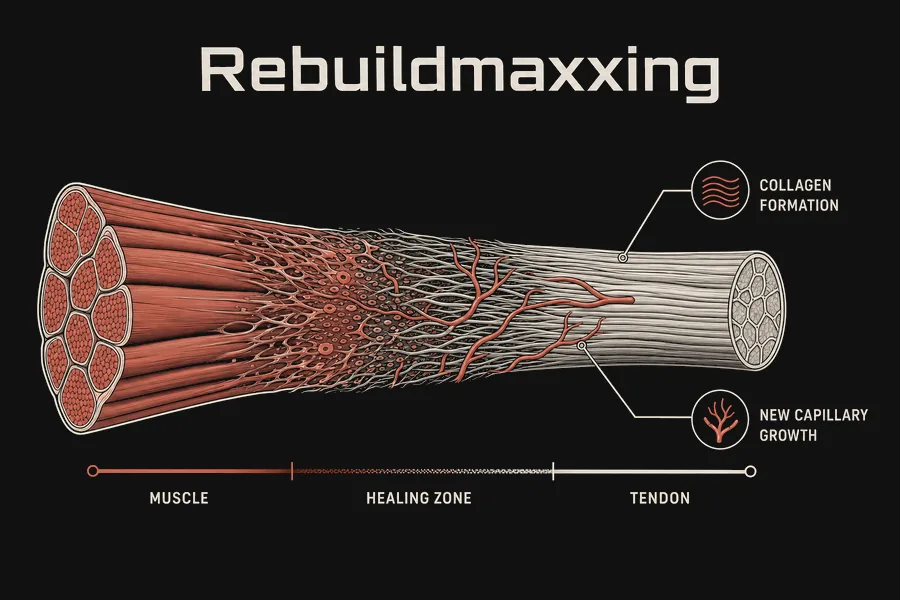
Rebuildmaxxing is deliberately the shortest shelf on the site, because the number of repair peptides with a real evidence base behind them is small and padding it would not help anyone. BPC-157 is the anchor — a fifteen-residue synthetic fragment of a gastric protein, with well over a hundred indexed preclinical studies across tendon, ligament, gut mucosa, bone and liver models. TB-500 is its systemic counterpart: where BPC-157 concentrates at the site it is administered near, TB-500 distributes through the bloodstream and can reach multiple sites at once. Thymosin Alpha-1 comes from the same parent protein family but does immune modulation rather than structural repair. If you are running anything off the Slimmaxxing shelf, BPC-157 is the add-on that matters most, because its gastroprotective mechanisms directly address what GLP-1 agonists do to the gut during escalation.
BPC-157 + TB-500 Blend 20mg
$89.99
BPC-157 10mg
$53.99
TB-500 (Thymosin Beta-4) 10mg
$53.99
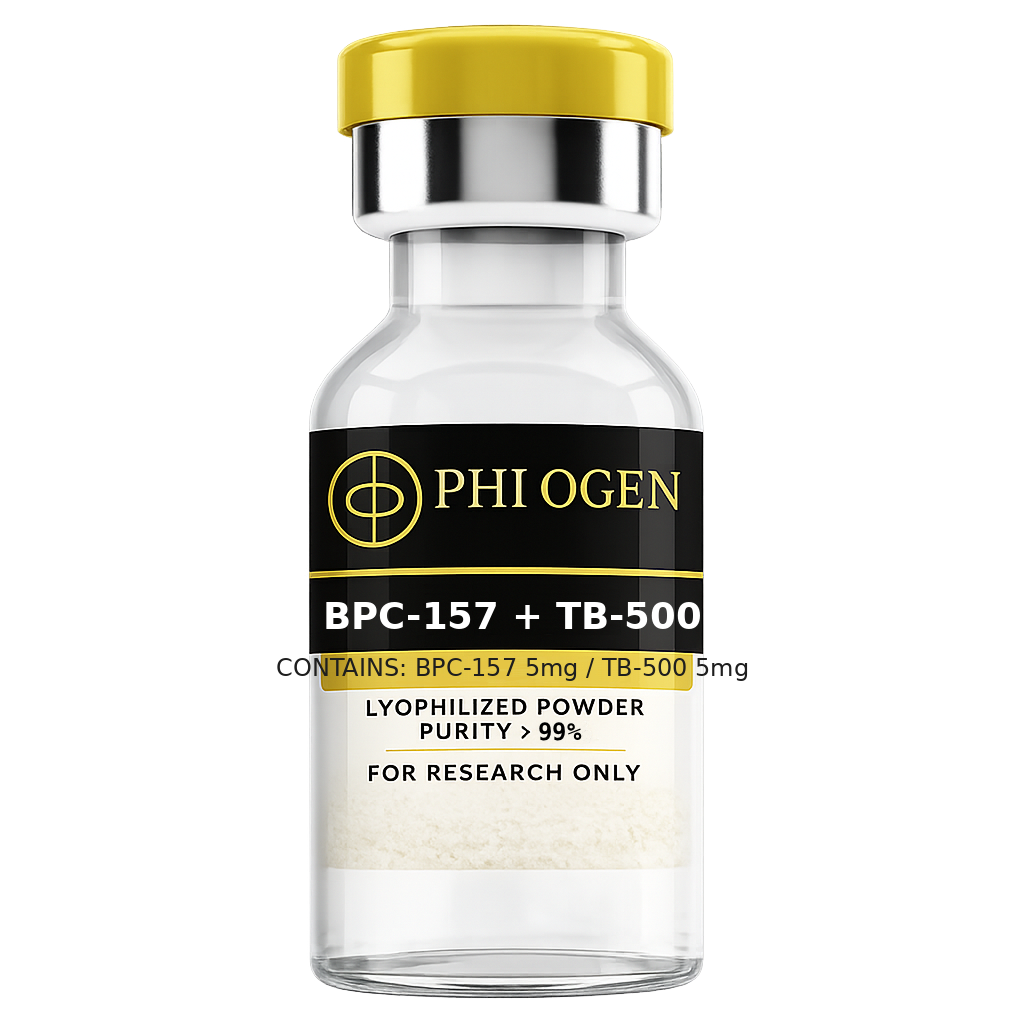
BPC-157 + TB-500 Blend 10mg
$53.99
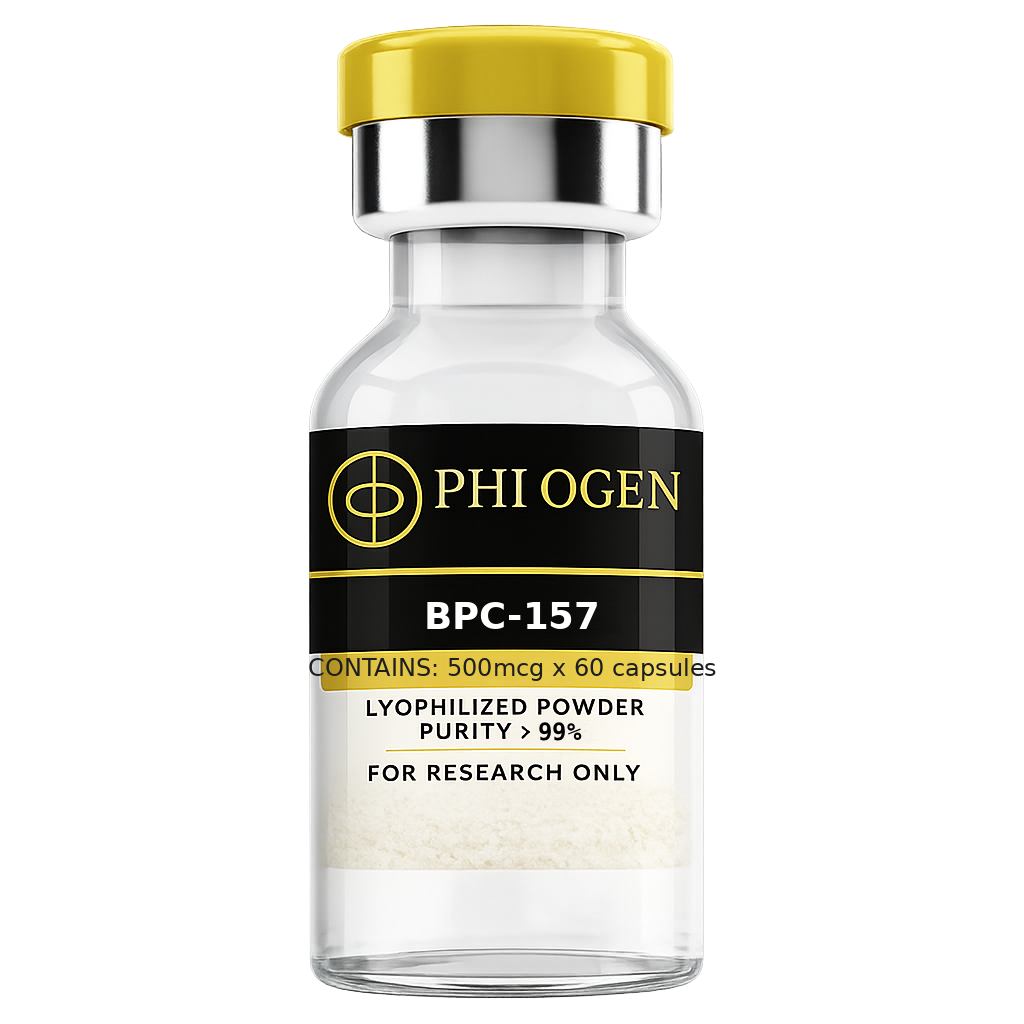
BPC-157 Capsules 500mcg x60
$71.99
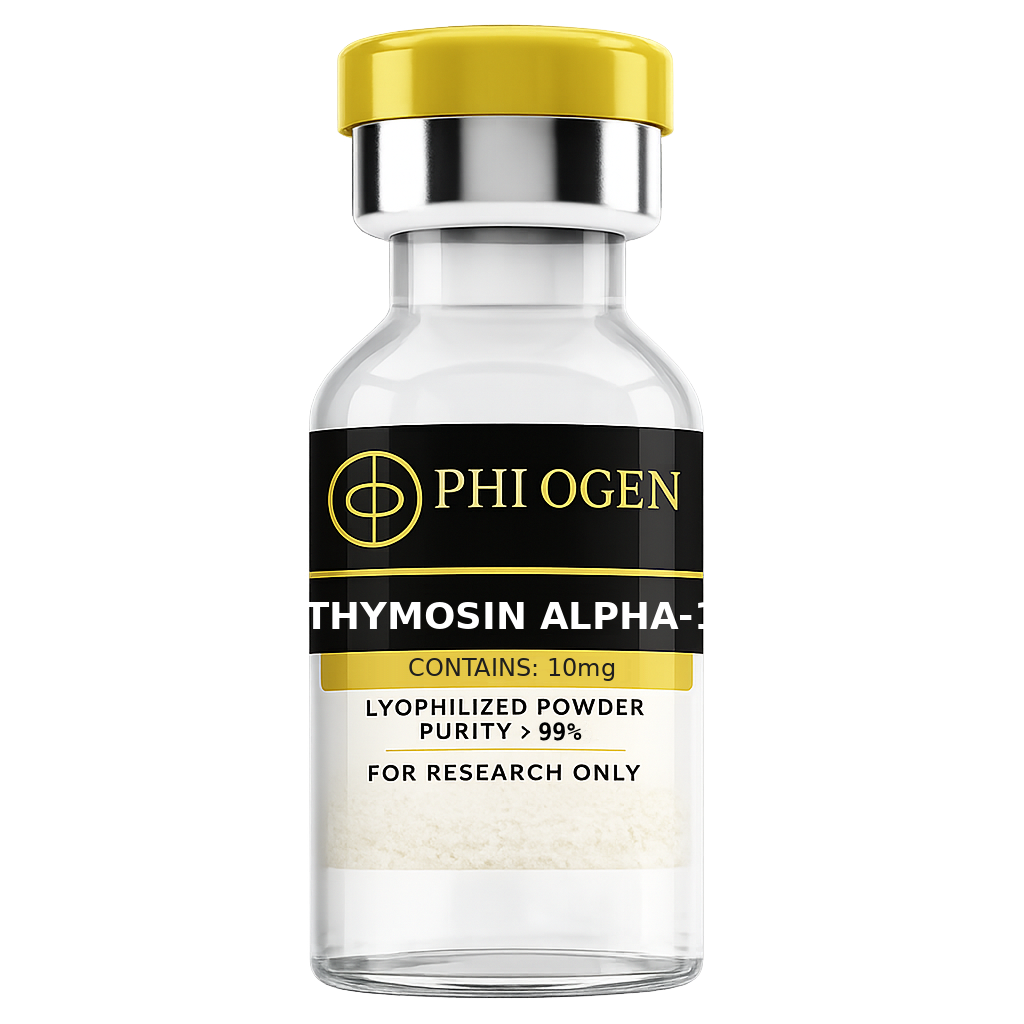
Thymosin Alpha-1 10mg
$107.99
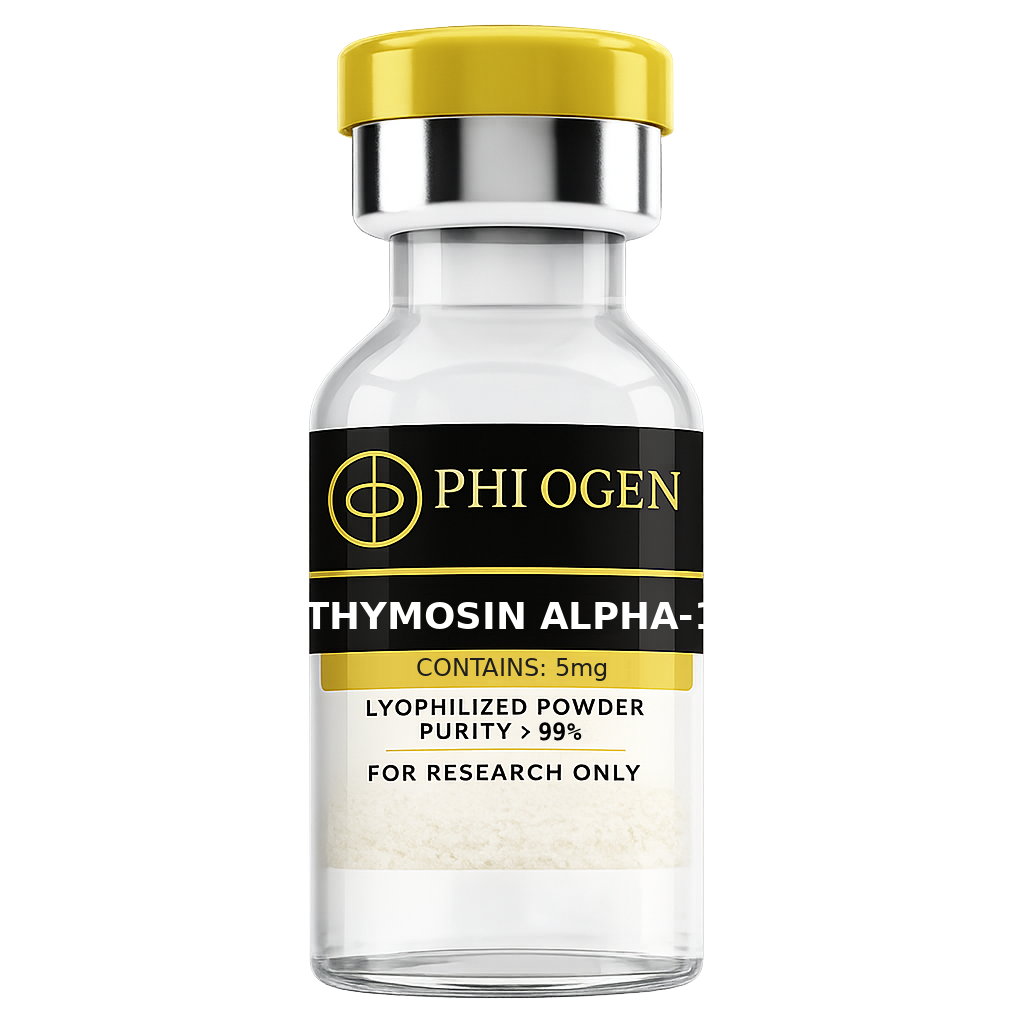
Thymosin Alpha-1 5mg
$62.99
BPC-157 and TB-500 Do Not Overlap
These two get stacked constantly and the reason is that they fail to compete. BPC-157 works through VEGFR2 upregulation driving angiogenesis, FAK-paxillin signalling driving cell migration, nitric oxide synthase upregulation producing the gastroprotective effect, and NF-κB downregulation handling inflammation. TB-500 works by sequestering G-actin monomers, which disrupts actin polymerisation and promotes the cell migration that underlies wound closure. Different targets, different distribution — local versus systemic — and very different half-lives, roughly four hours against roughly ten days. Running both covers targeted repair and whole-body reach at once, which is the whole basis of the pairing.
Why This Shelf Pairs With Fat Loss Protocols
GLP-1 receptor agonists delay gastric emptying and alter gut motility by design, and somewhere between a third and half of users report nausea during dose escalation as a result. BPC-157's most replicated finding across the entire preclinical dataset is gastroprotection — nitric oxide system upregulation, tight junction restoration, VEGF-mediated mucosal repair. Those mechanisms address the specific tissue insult the incretins cause, which is why co-administration through an escalation cycle has become close to standard rather than optional. The oral capsule form exists for exactly this use case, since the target tissue is the gut itself.
Thymosin Alpha-1 Is a Different Animal
It shares a naming convention with TB-500 and comes from the thymosin family, but Thymosin Alpha-1 is an immunomodulator rather than a repair peptide. It acts on toll-like receptors to influence dendritic cell maturation and T-cell differentiation, and its clinical history is in hepatitis B and C adjunct therapy and in sepsis, not in tendon healing. It sits on this shelf because the family name puts it here and because immune function and recovery are genuinely related, but it should not be substituted for BPC-157 or TB-500 on the assumption that it does the same job.