16 compounds · from $35.99
Framemaxxing — GH Secretagogues, GHRH Analogues & IGF-1
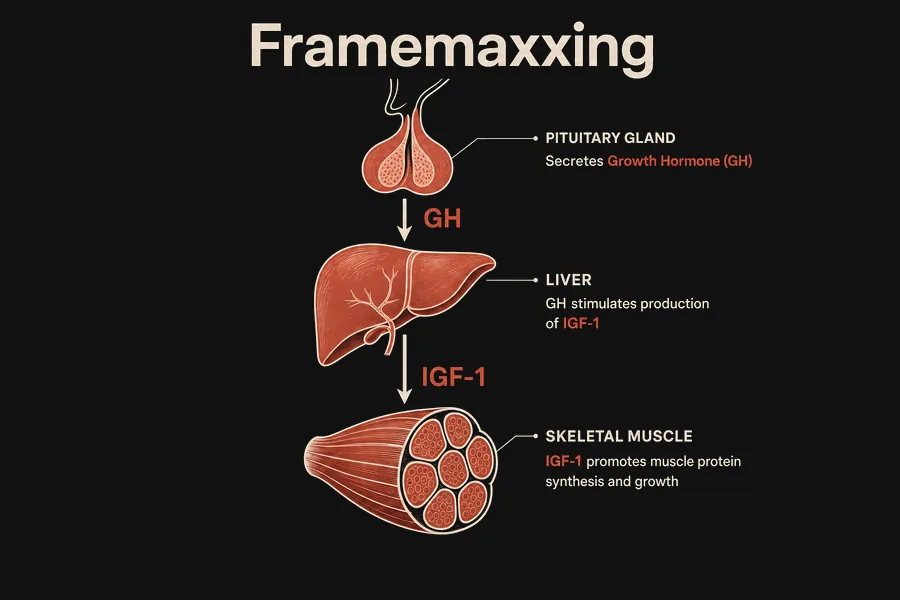
Framemaxxing covers the compounds that work on the growth hormone axis rather than supplying growth hormone directly, which is the distinction that matters most on this shelf. Two receptor routes are in play and they are genuinely independent: GHRH analogues like Sermorelin, CJC-1295 and Tesamorelin signal pituitary somatotrophs through the GHRH receptor, while ghrelin mimetics like Ipamorelin, GHRP-2, GHRP-6 and Hexarelin trigger the same release through GHS-R1a. Because the two pathways use different G-protein cascades, co-activating both produces a larger GH pulse than either does alone — which is the entire reason the pre-mixed CJC/Ipamorelin and Tesamorelin/Ipamorelin vials exist. IGF-1 LR3 sits at the far end of the same shelf and skips the pituitary entirely, delivering the downstream anabolic signal straight to muscle tissue. Sixteen vials, all with HPLC certificates, listed below at current prices.
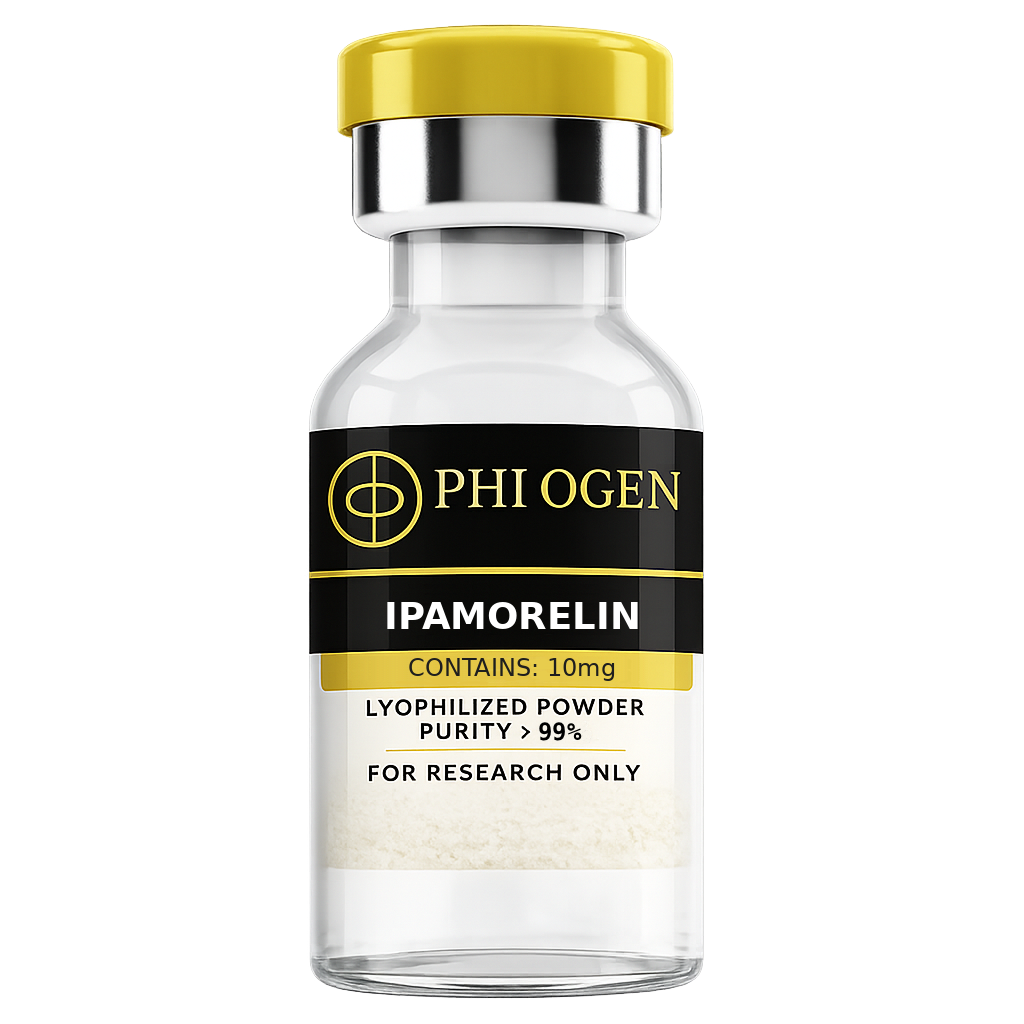
Ipamorelin 10mg
$53.99
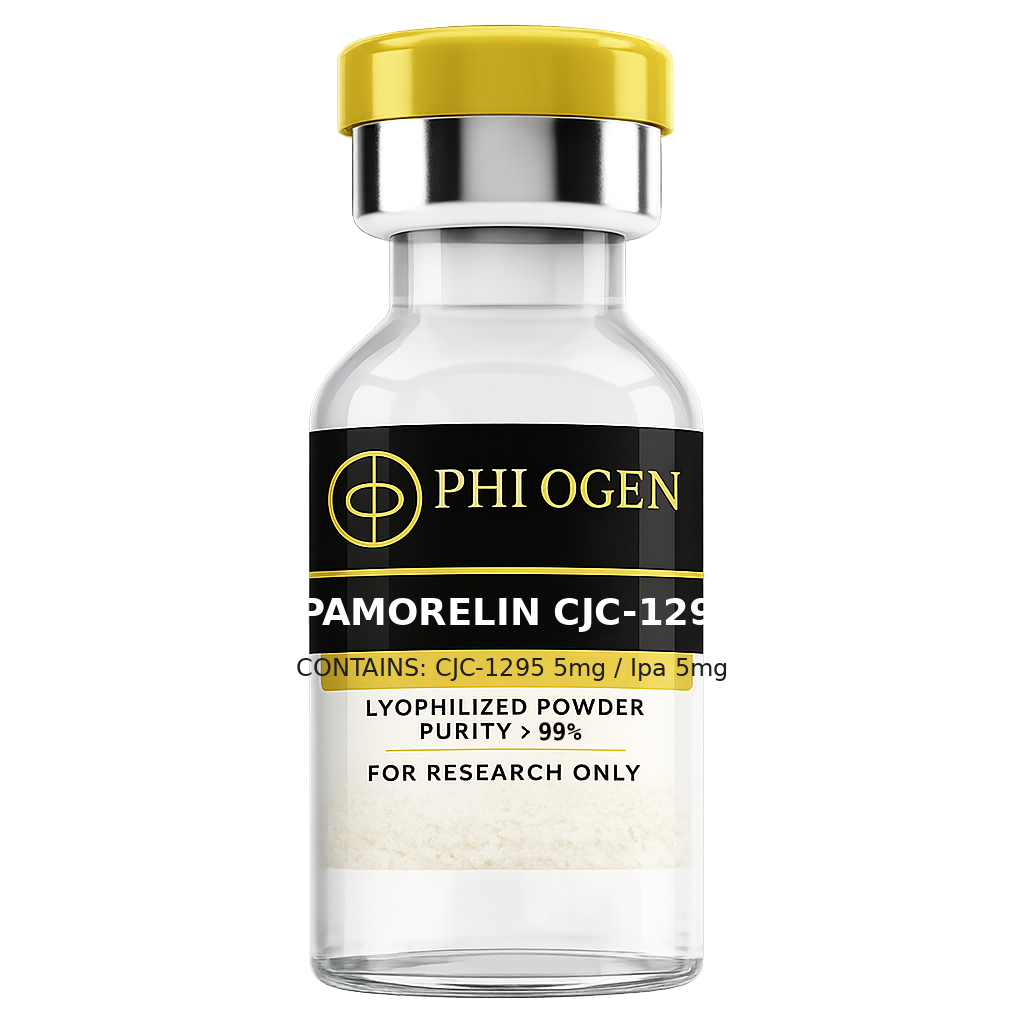
Ipamorelin/CJC-1295 Blend 10mg
$80.99
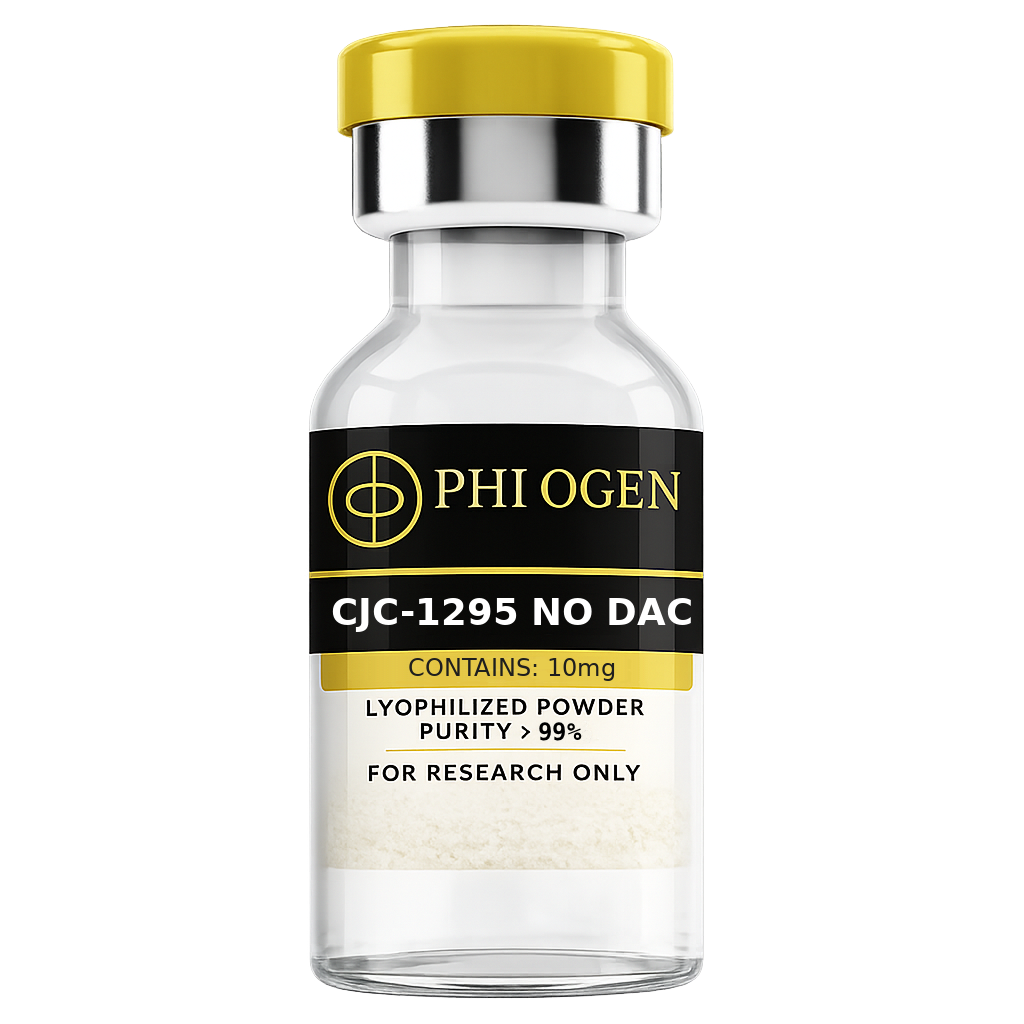
CJC-1295 No DAC 10mg
$71.99
CJC-1295 No DAC 5mg
$44.99
CJC-1295 with DAC 10mg
$89.99
GHRP-2 10mg
$44.99
GHRP-6 10mg
$44.99
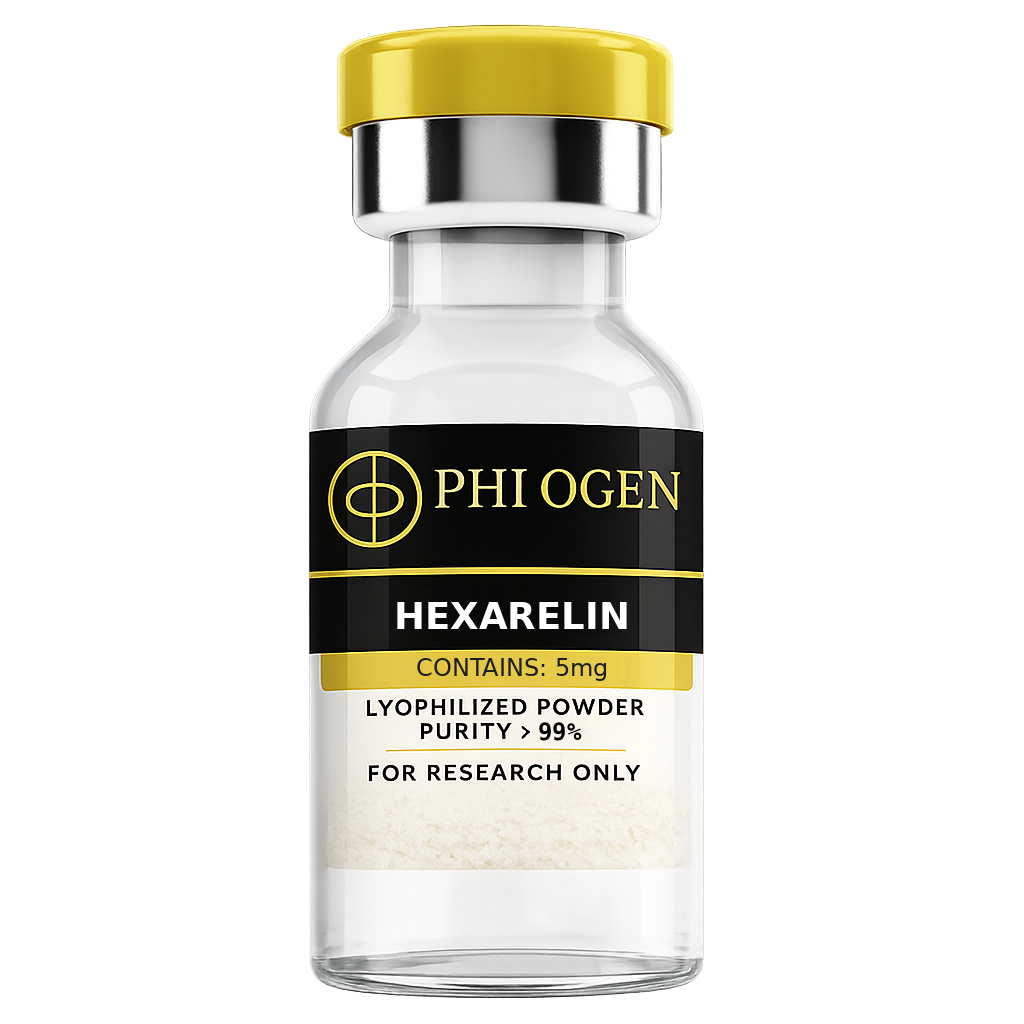
Hexarelin 5mg
$53.99
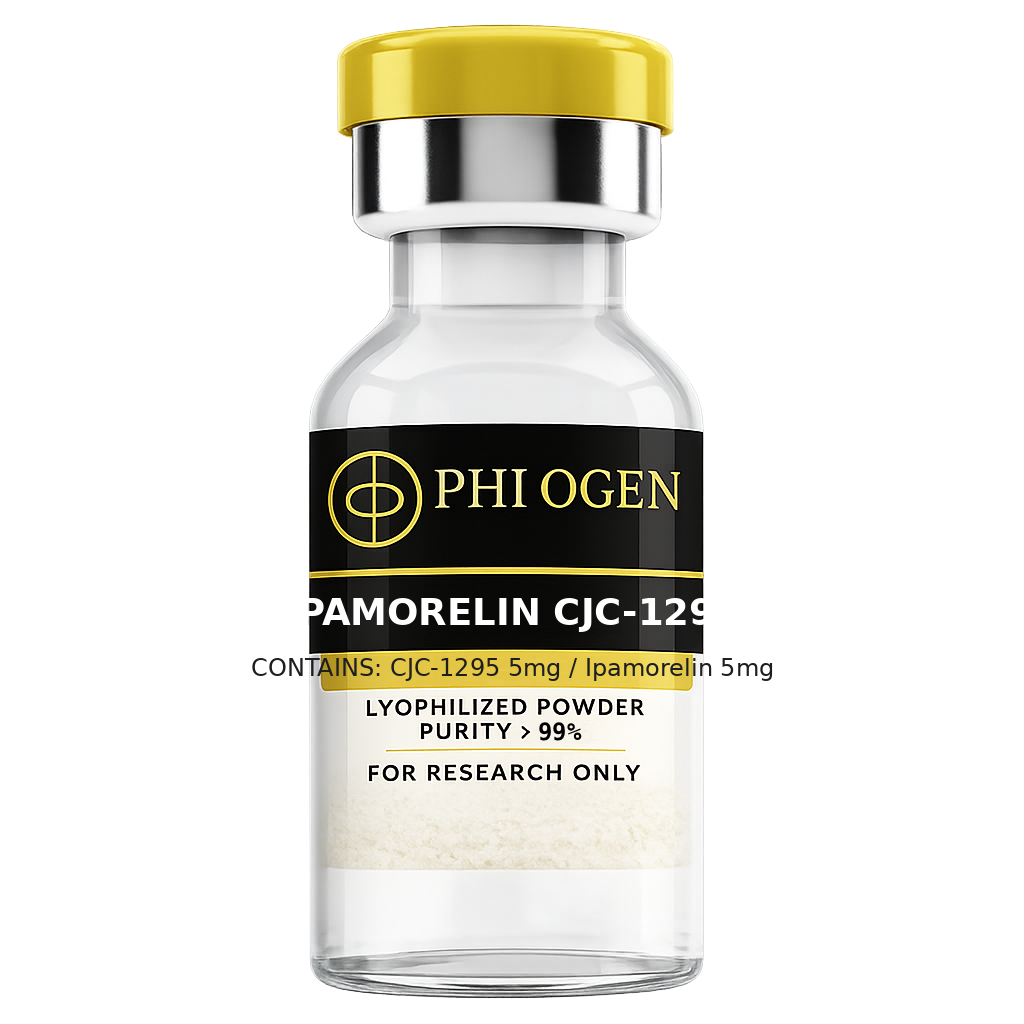
Ipamorelin/CJC-1295 Blend 10mg v2
$80.99
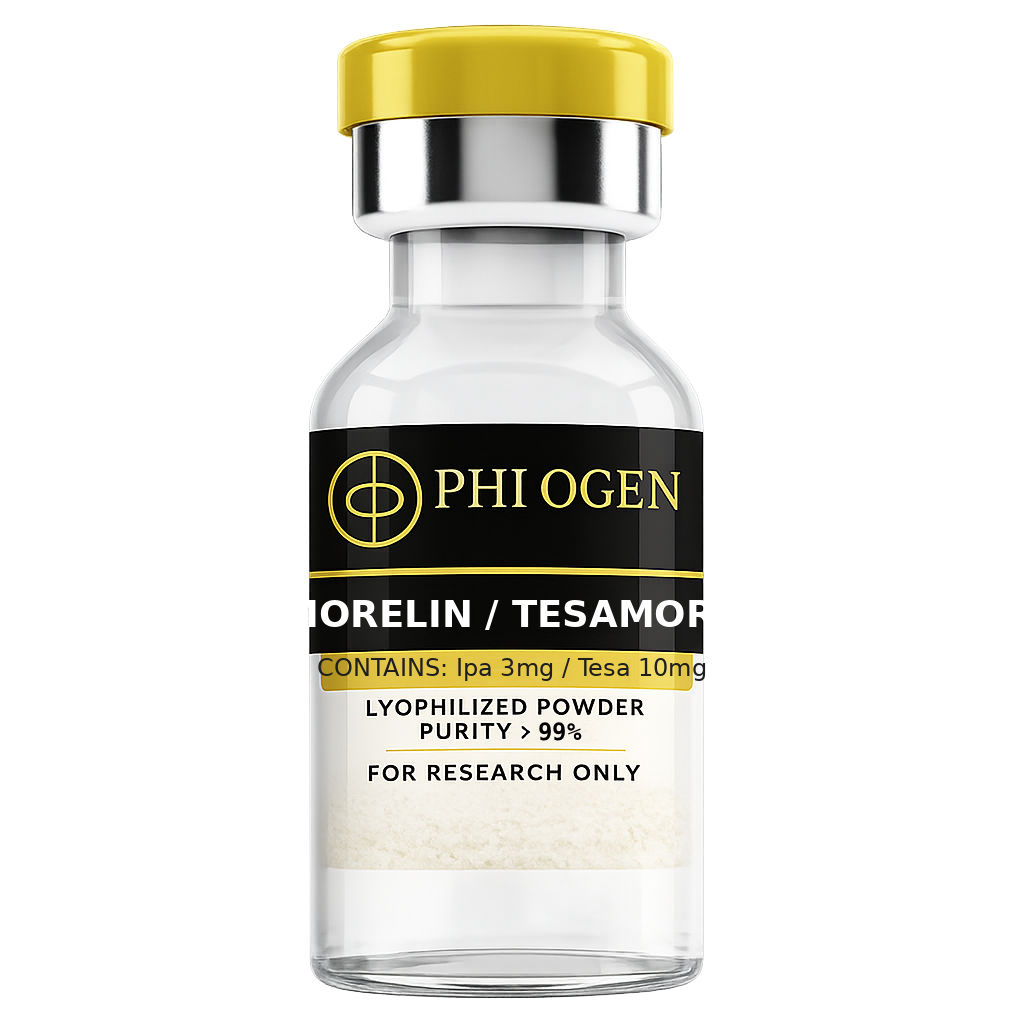
Ipamorelin/Tesamorelin Blend 13mg
$116.99
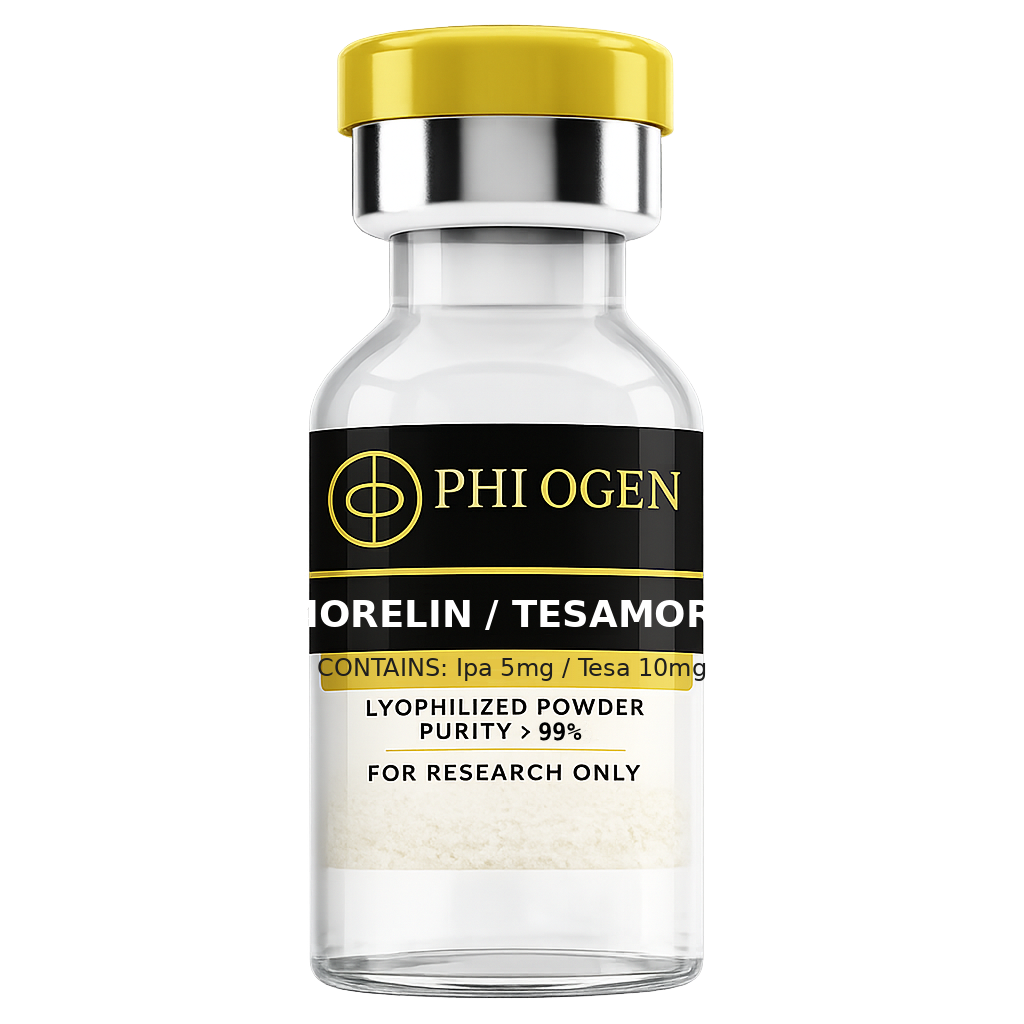
Ipamorelin/Tesamorelin Blend 15mg
$134.99
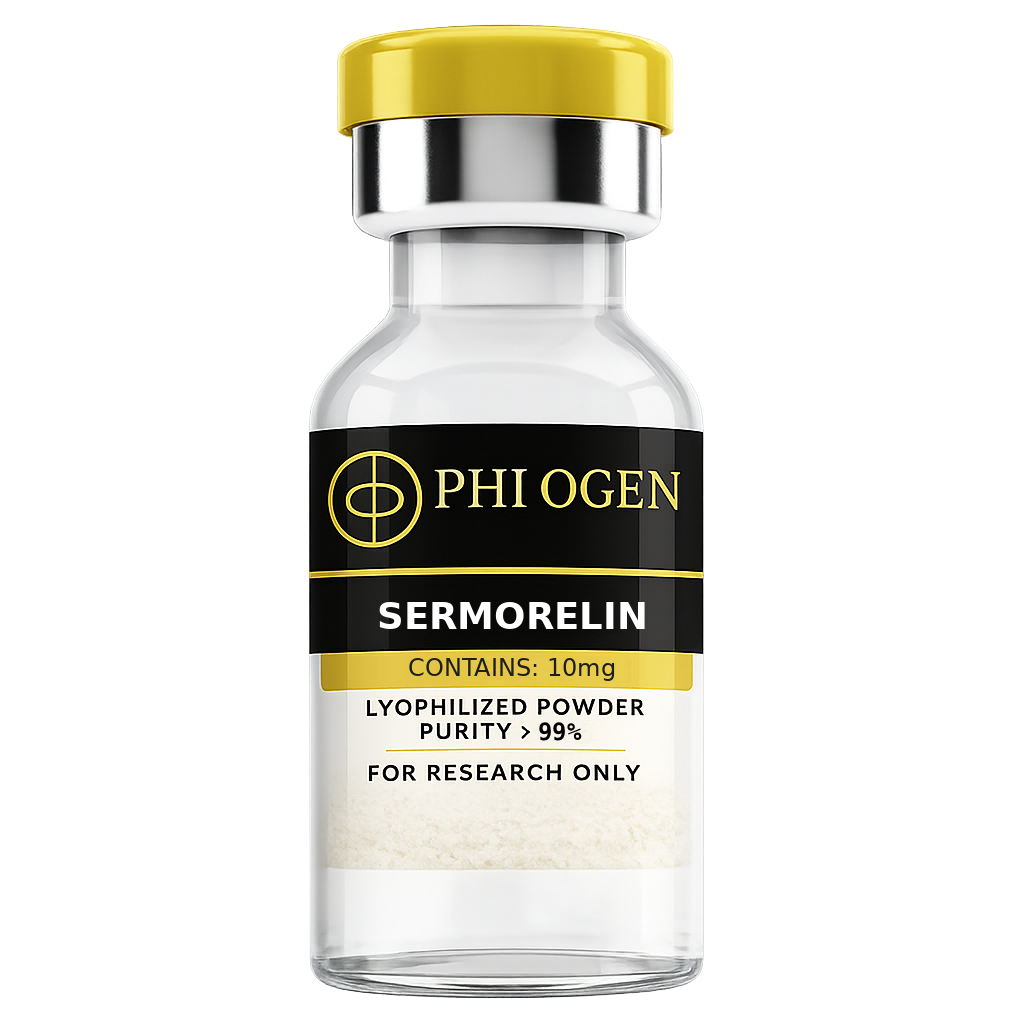
Sermorelin 10mg
$107.99
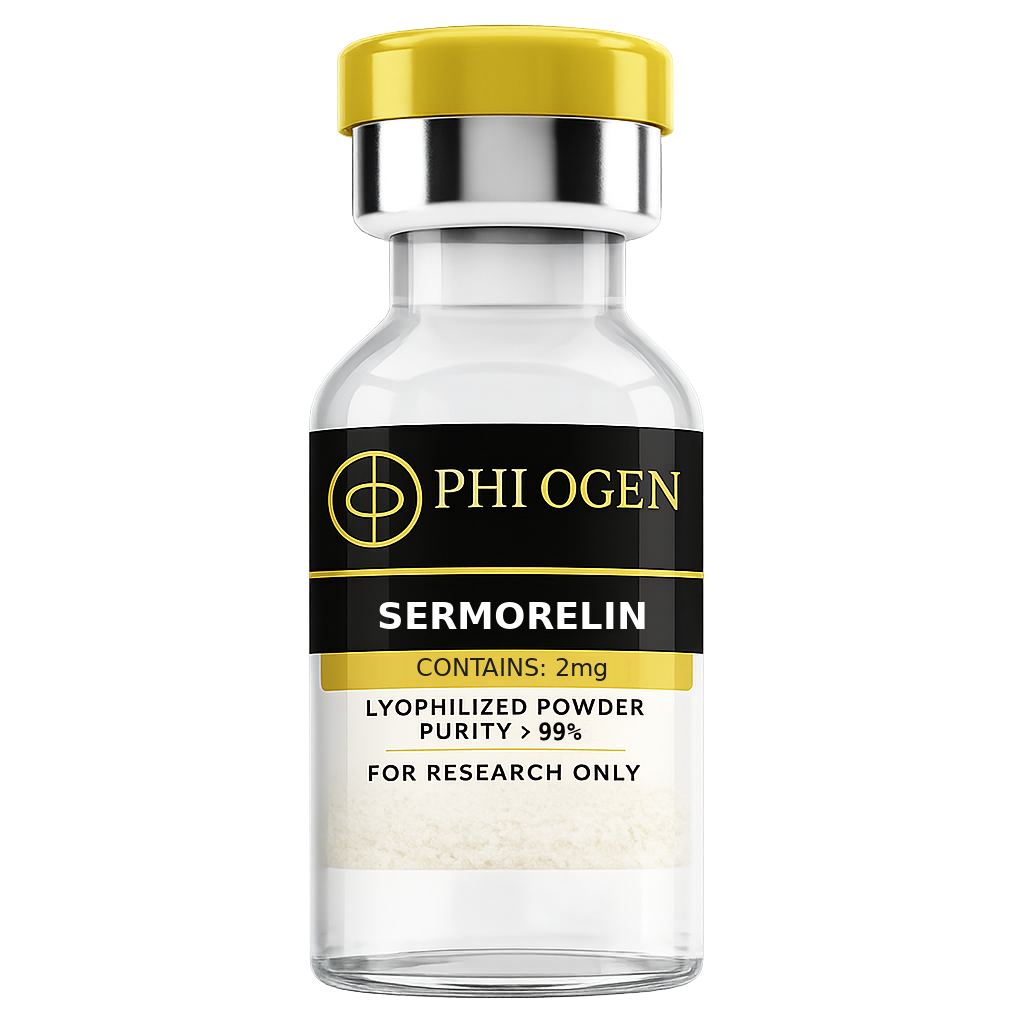
Sermorelin 2mg
$35.99
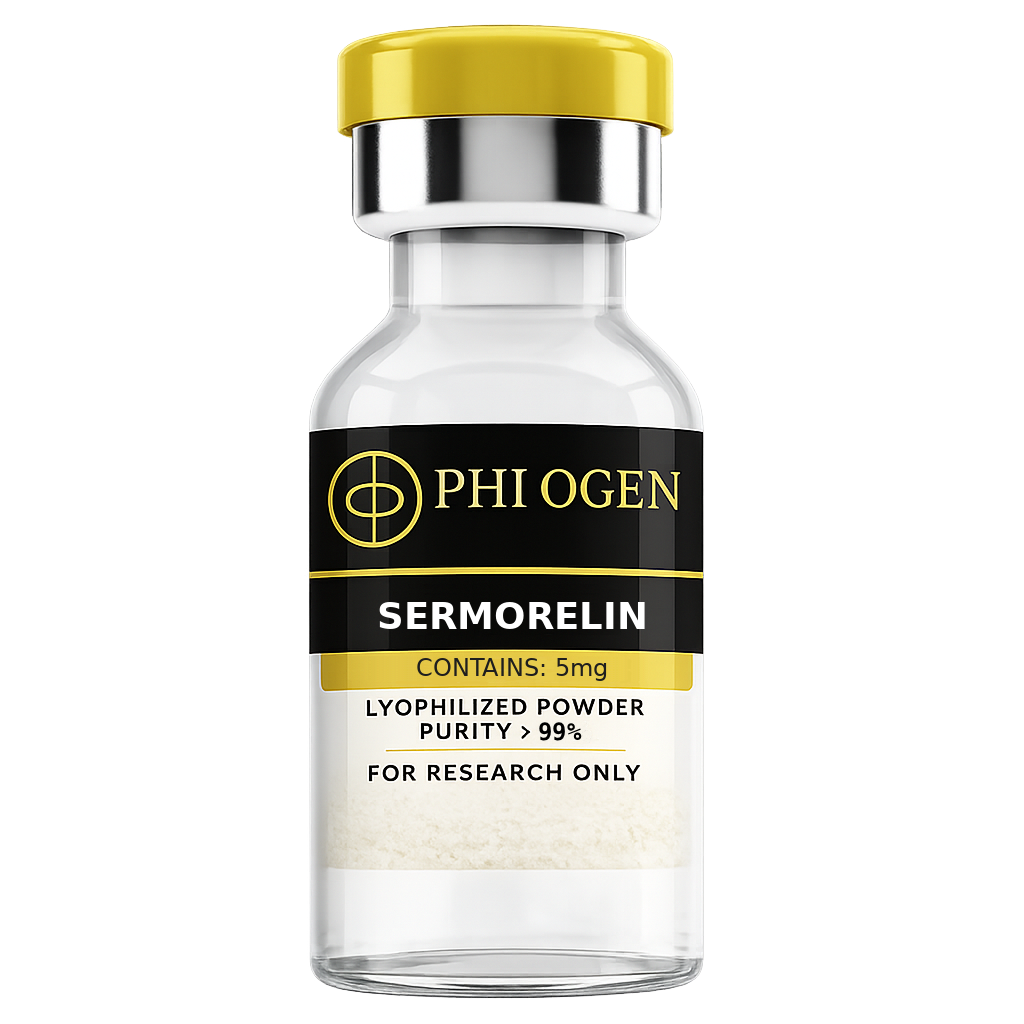
Sermorelin 5mg
$62.99
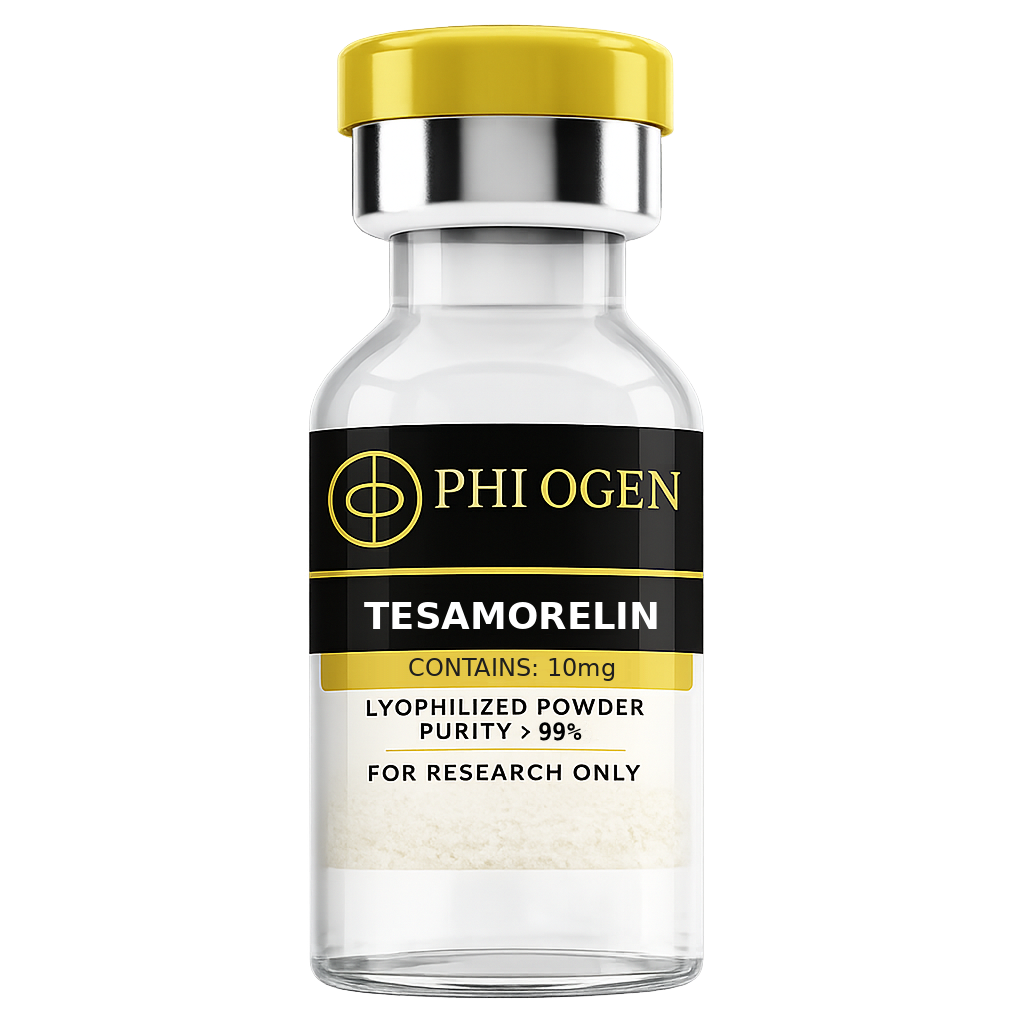
Tesamorelin 10mg
$107.99
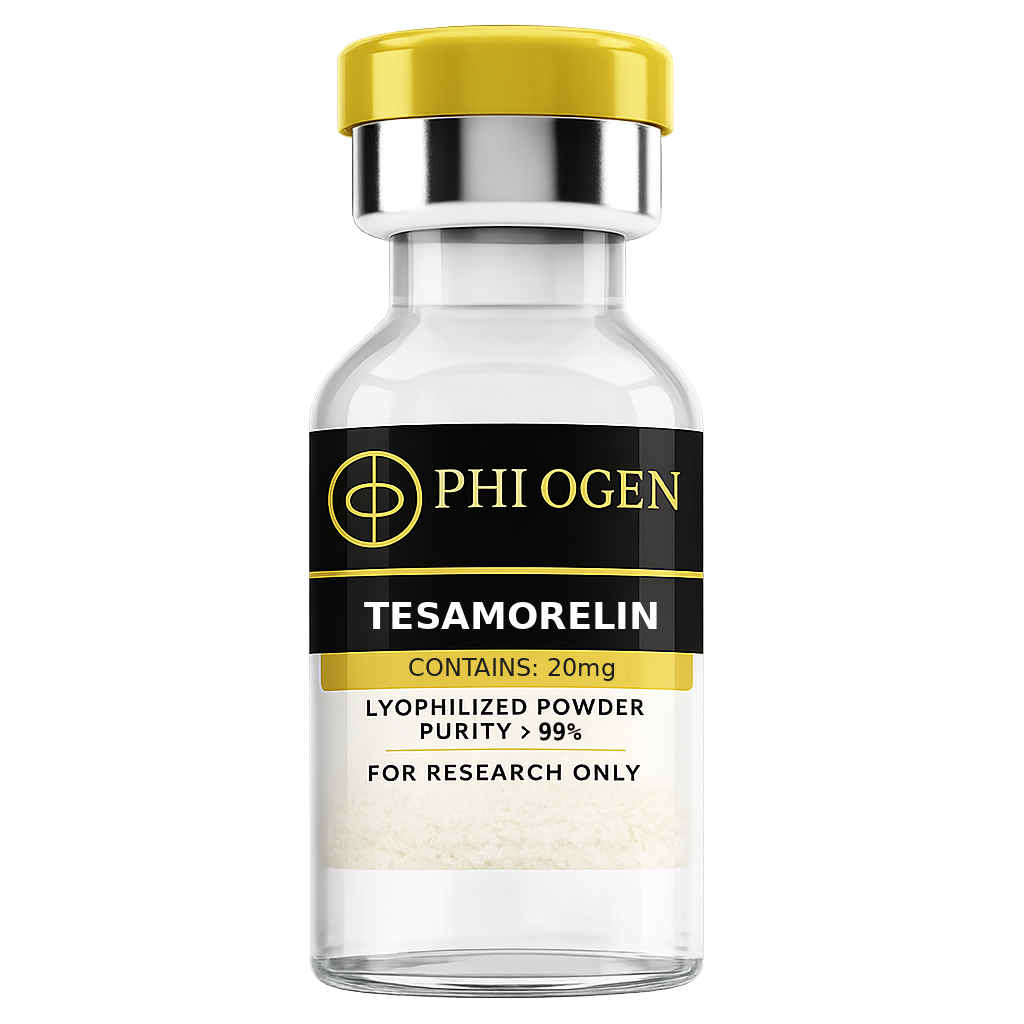
Tesamorelin 20mg
$179.99
DAC vs No DAC, and Why Pulsatility Matters
CJC-1295 comes in two forms and they are not interchangeable. The No DAC version, sometimes listed as Mod GRF 1-29, has a half-life around thirty minutes — short enough that the natural pulse rhythm of GH release survives intact. The DAC modification binds albumin and stretches the half-life to six or eight days, which produces a continuous elevation rather than a series of pulses. Continuous elevation blunts the pituitary's own rhythm over time, so protocols that care about preserving physiological patterning use No DAC and dose it around the natural pre-sleep pulse.
Ipamorelin's Selectivity Advantage
All four ghrelin mimetics on this shelf activate GHS-R1a, but they differ in what else they activate. GHRP-2 and GHRP-6 both produce measurable cortisol and prolactin elevation at working doses, and GHRP-6 in particular drives a strong appetite response through the same receptor. Ipamorelin was developed specifically to avoid that — it releases GH without meaningful ACTH, cortisol or prolactin movement at typical doses. That selectivity is why it dominates the pre-mixed blends and why it is usually the first ghrelin mimetic anyone reaches for.
Where IGF-1 LR3 Sits
IGF-1 LR3 is on this shelf for pathway reasons, not mechanism ones. Everything else here asks the pituitary to release GH, which then drives hepatic IGF-1 production, which is what actually produces the anabolic effect at the tissue. IGF-1 LR3 is a modified analogue that delivers that endpoint directly — the Arg3 substitution and 13-residue N-terminal extension reduce binding-protein affinity, which is what extends its active half-life well past native IGF-1. It bypasses the feedback loop entirely, which is both the appeal and the reason it is handled differently from the secretagogues.