9 compounds · from $44.99
Focusmaxxing — Semax, Selank, DSIP & CNS Neuropeptides
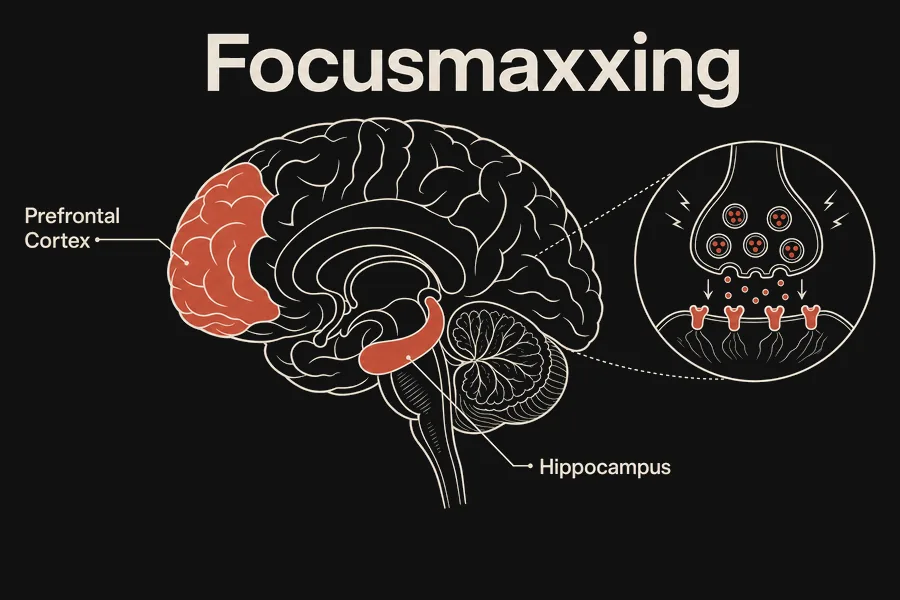
Focusmaxxing collects the peptides small enough and stable enough to reach the central nervous system, which is a much shorter list than the marketing around nootropics suggests. Most of what is here came out of Soviet and Russian research programmes from the 1970s onward, and carries trial data that never crossed into Western literature in any organised way. Semax is ACTH(4-10)-derived and is studied for BDNF upregulation and sustained attention; the N-acetyl amidated version on this shelf exists because the parent peptide degrades quickly. Selank derives from tuftsin and is studied for anxiolysis through GABAergic modulation without the sedation or tolerance profile that benzodiazepines carry. DSIP addresses sleep architecture specifically rather than sedation, and PE-22-28 is the newest compound here, a TREK-1 channel inhibitor with rodent depression-model data. Most of these are intranasal rather than subcutaneous — check the route on each product page before ordering.
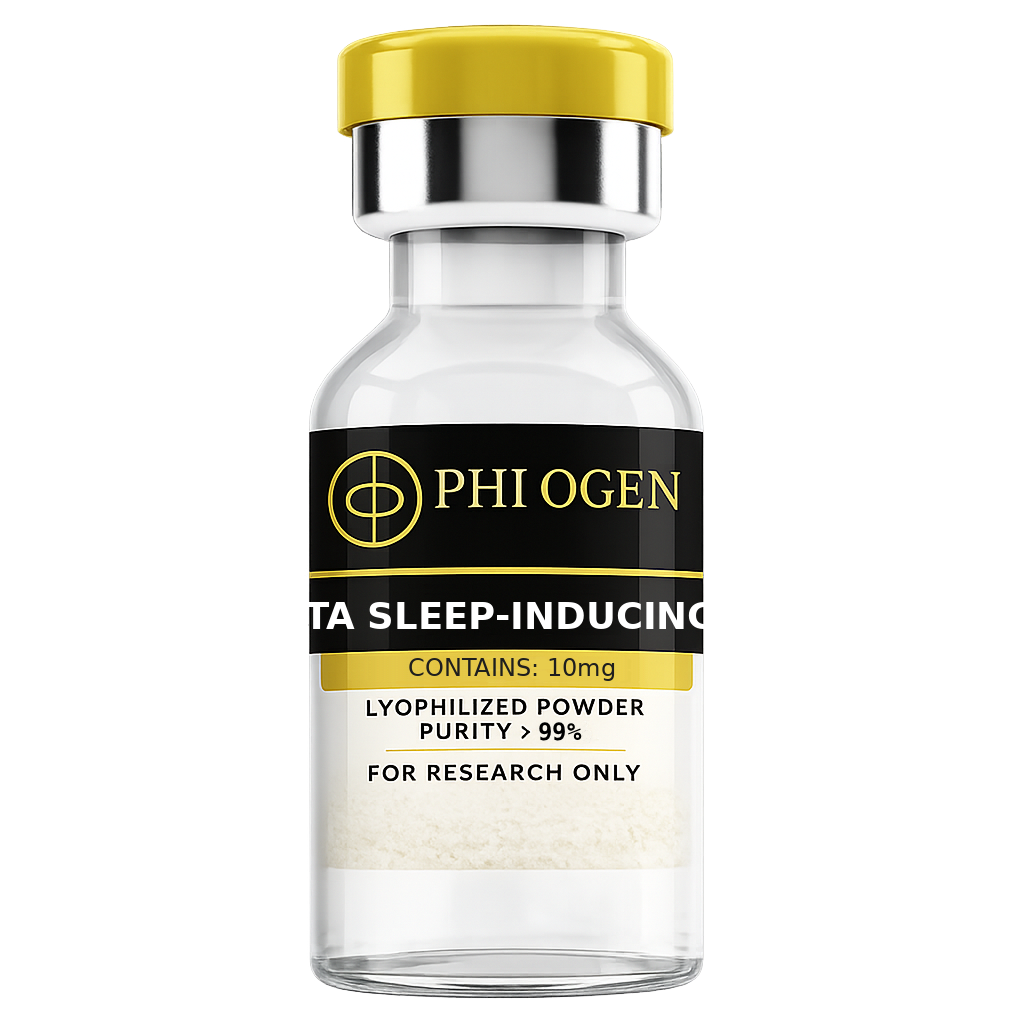
DSIP 10mg
$71.99
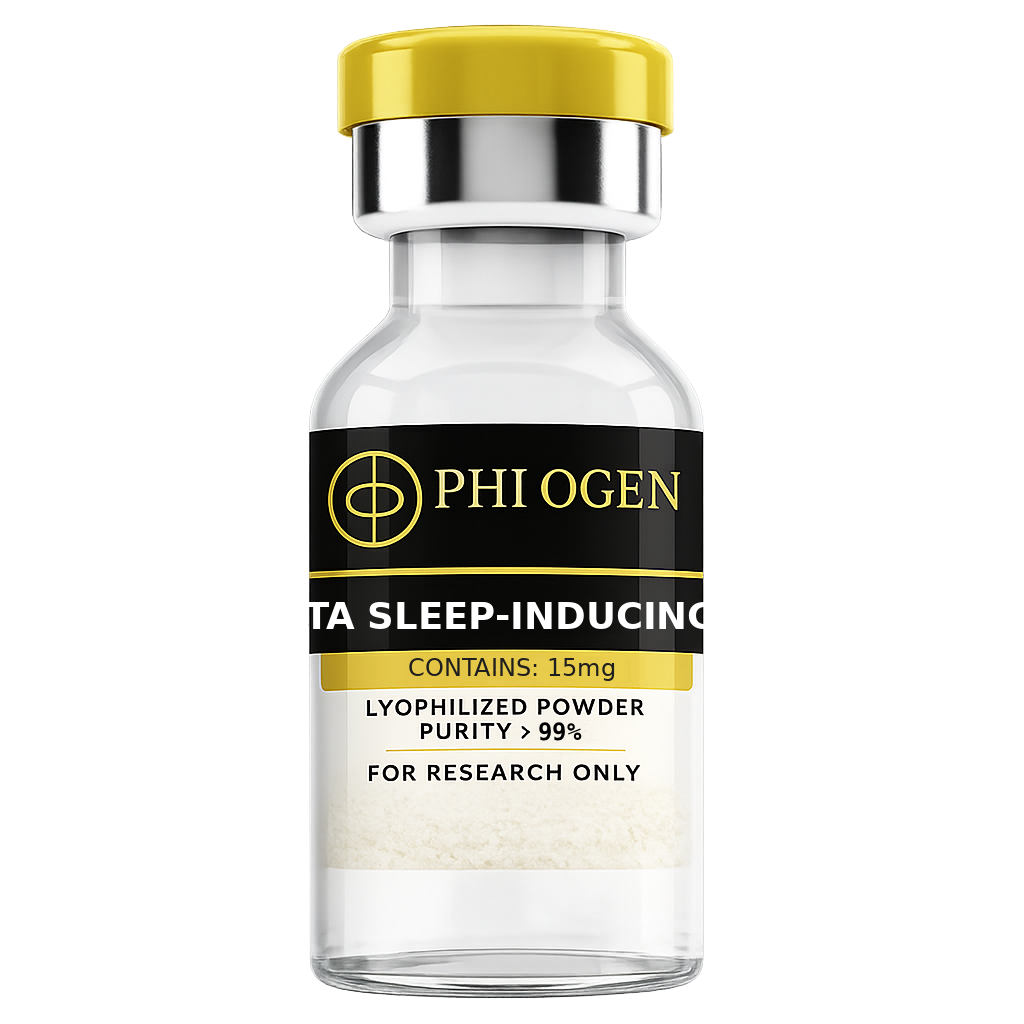
DSIP 15mg
$89.99
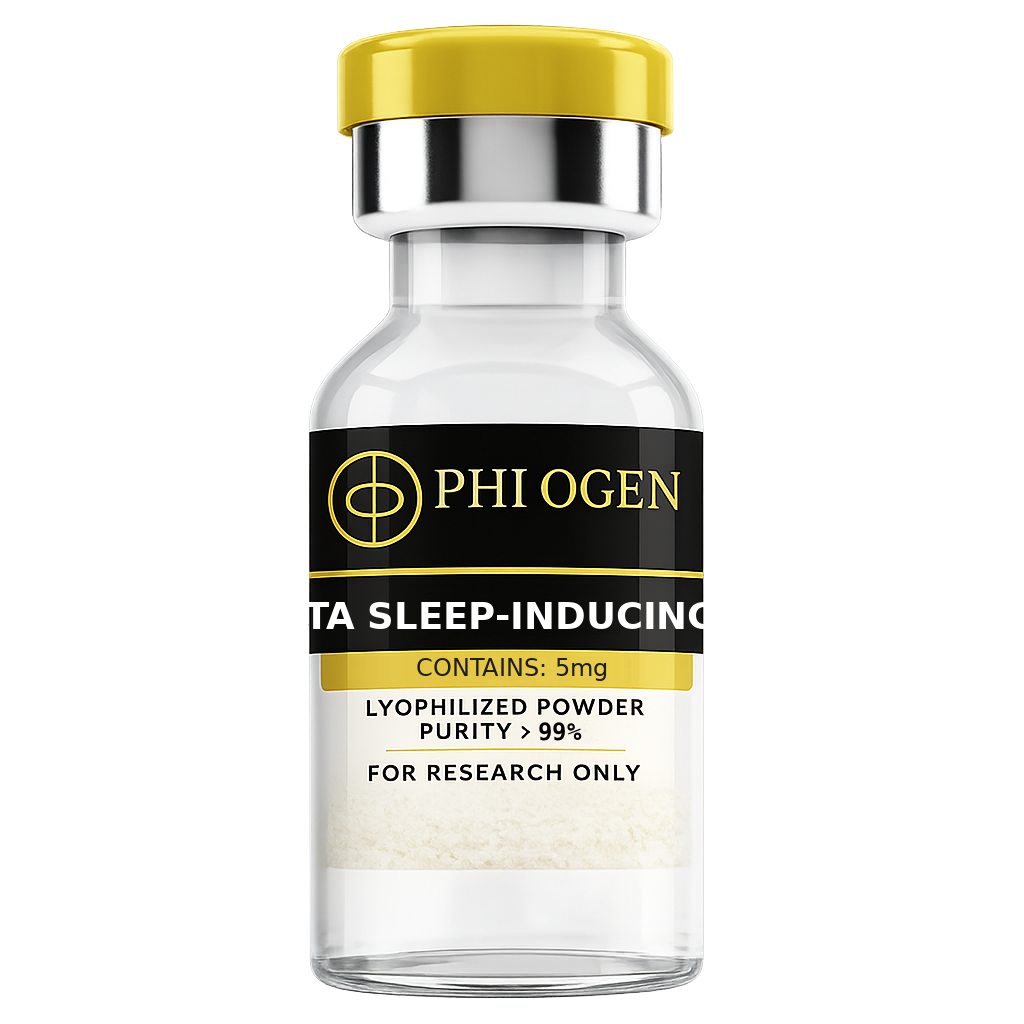
DSIP 5mg
$44.99
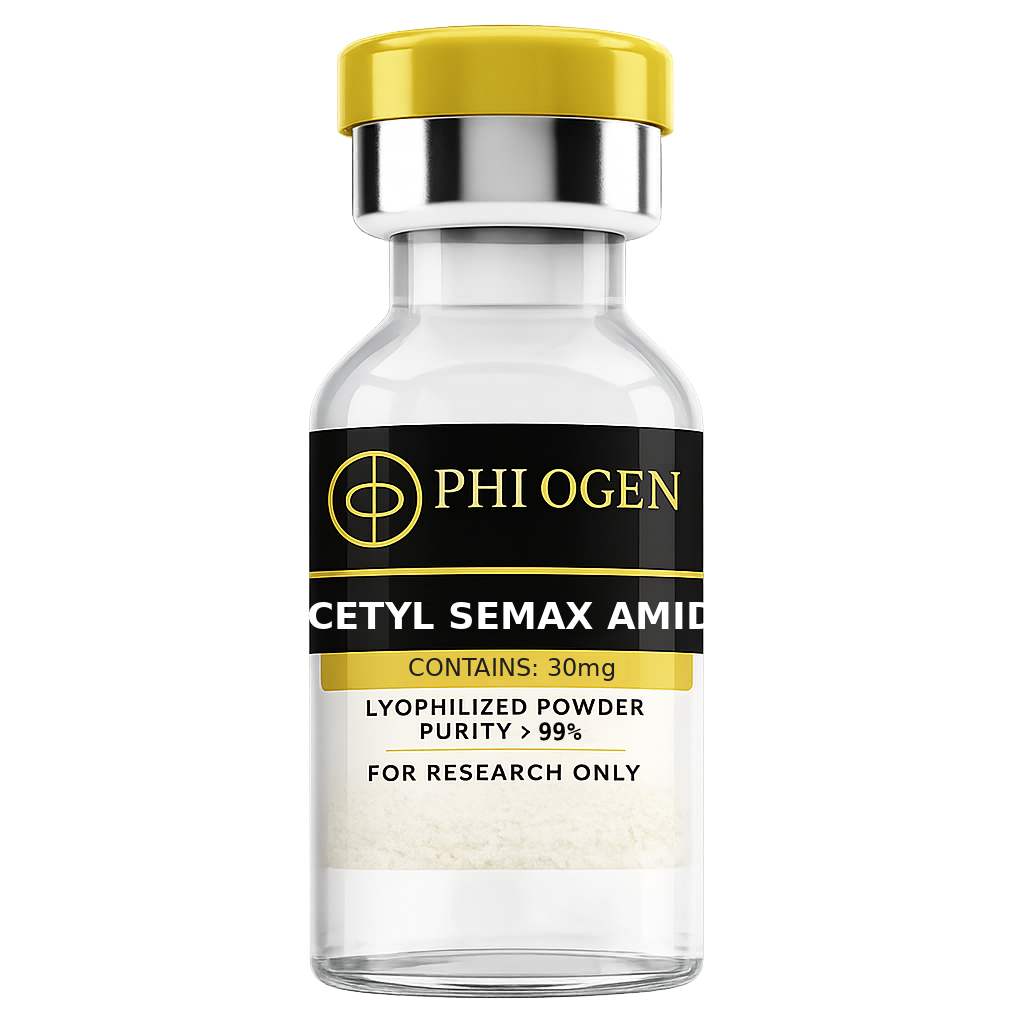
N-Acetyl Semax Amidate 30mg
$134.99
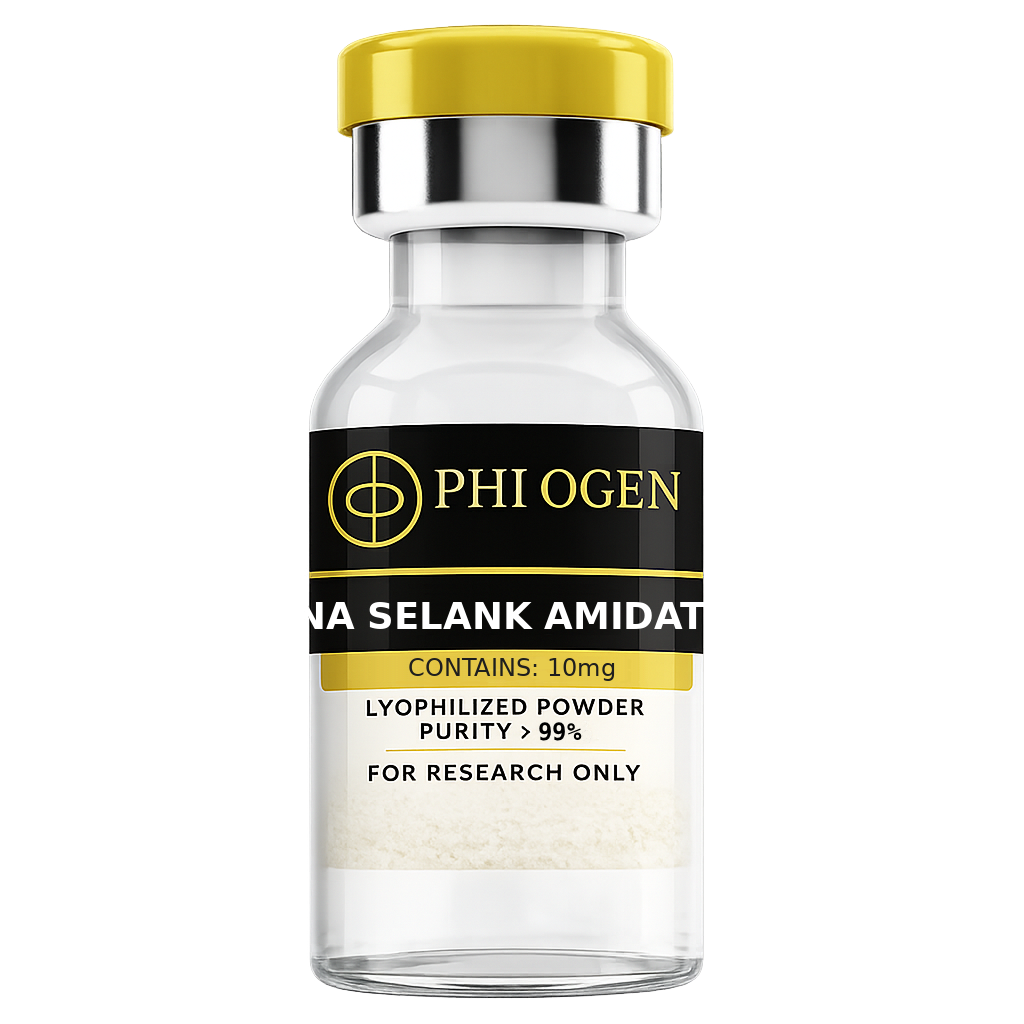
NA-Selank Amidate 10mg
$71.99
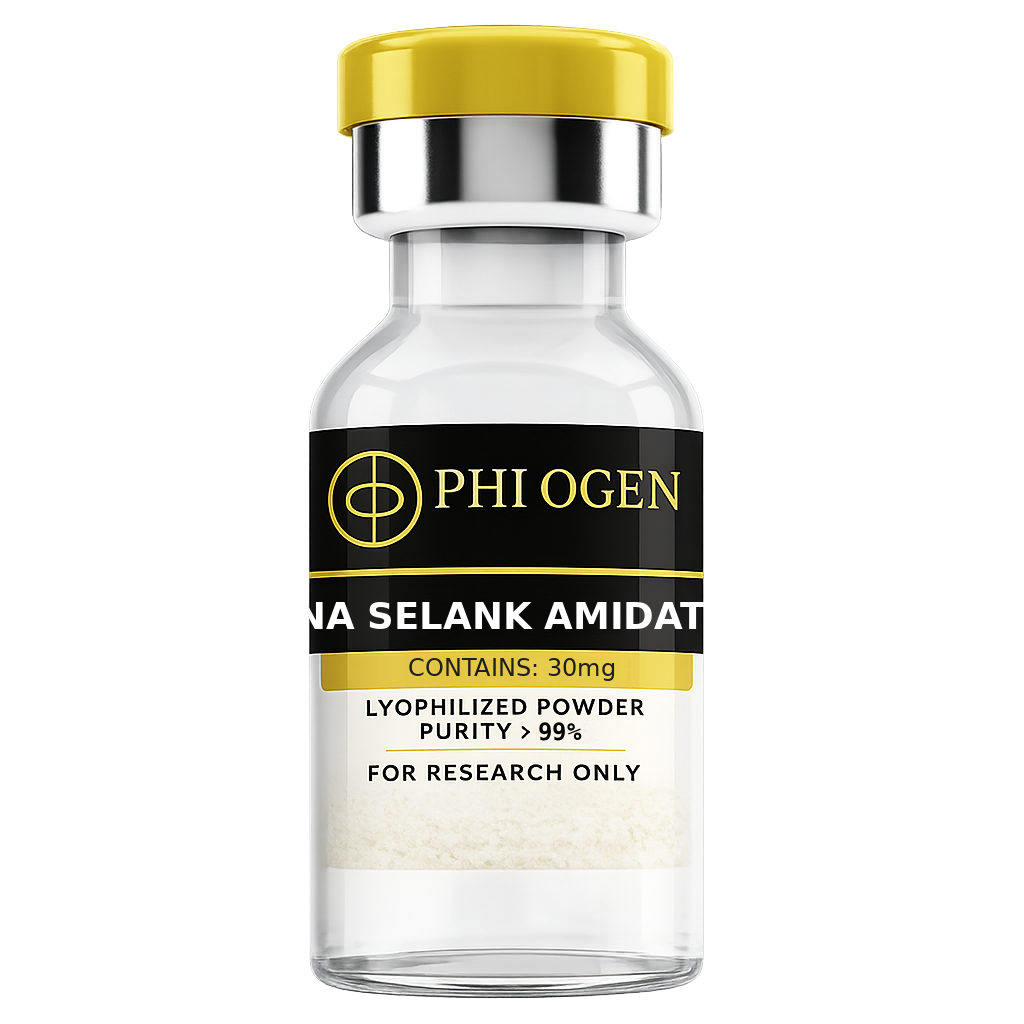
NA-Selank Amidate 30mg
$161.99
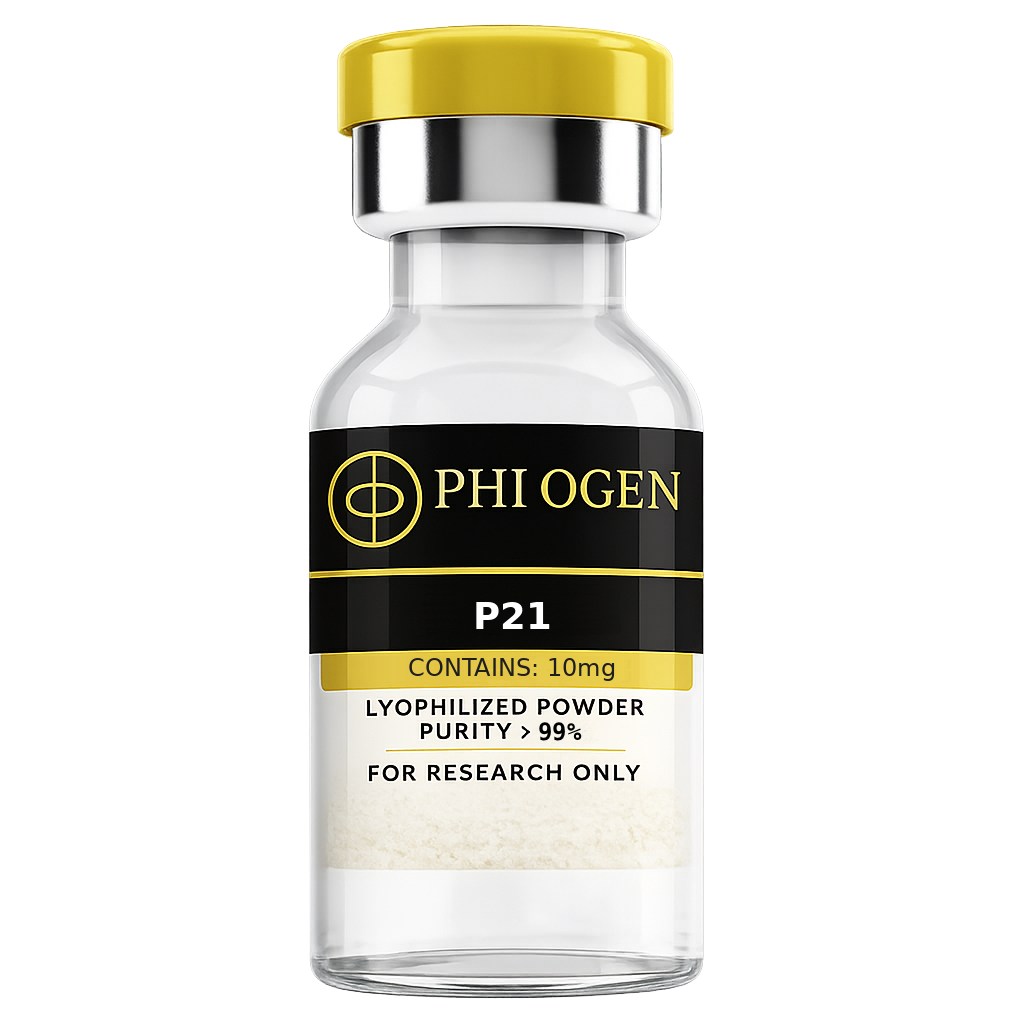
P21 10mg
$80.99
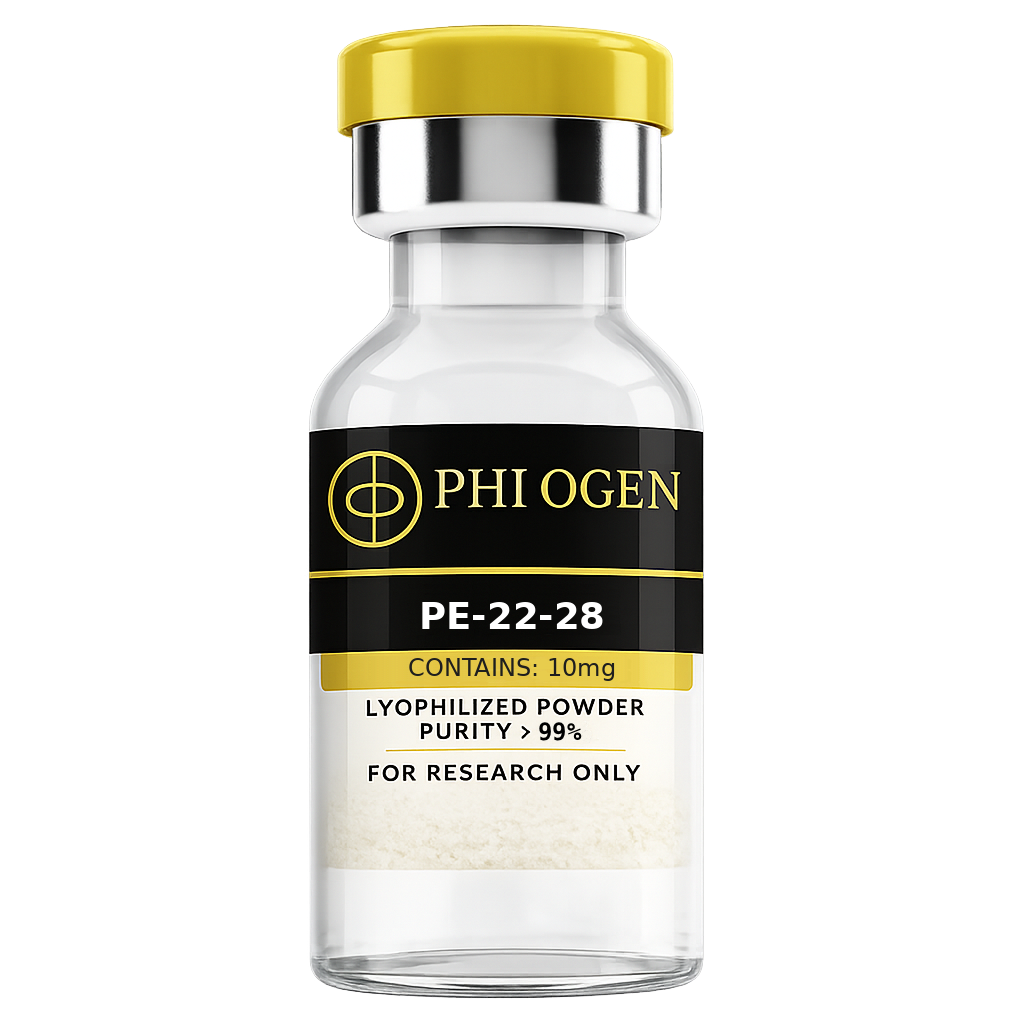
PE-22-28 10mg
$71.99
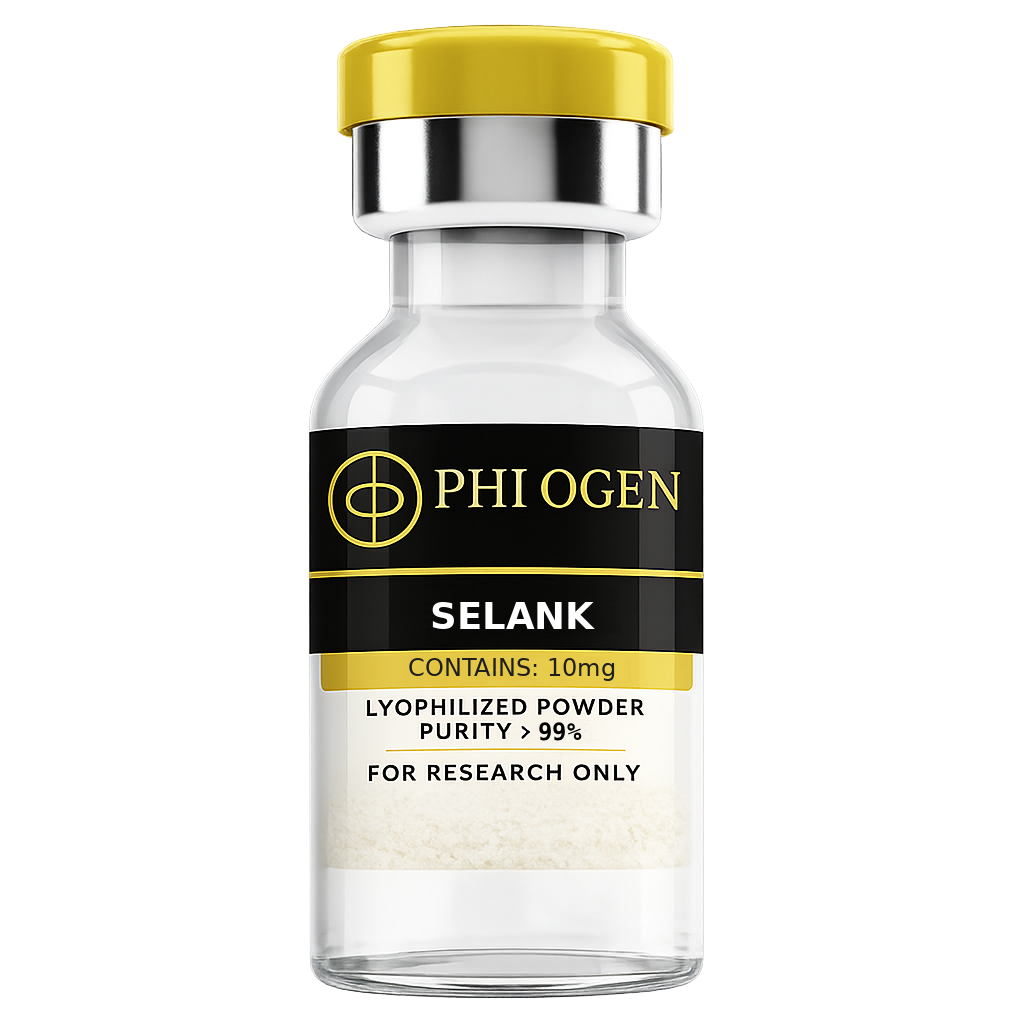
Selank 10mg
$62.99
Why the N-Acetyl Amidated Forms Exist
Native Semax and Selank are both short peptides with serum half-lives measured in minutes, which is a problem for anything that has to survive long enough to cross the blood-brain barrier. Acetylating the N-terminus and amidating the C-terminus blocks the exopeptidases that chew a peptide from both ends, and the result is a meaningfully longer window of activity from the same dose. That is the whole reason N-Acetyl Semax Amidate and NA-Selank Amidate are stocked alongside the plain versions rather than instead of them. The tradeoff is cost per vial, and for intranasal administration — where the peptide has a short path and less enzymatic exposure — the plain forms remain defensible.
DSIP Is a Sleep Architecture Compound
Delta Sleep-Inducing Peptide is named for what it was isolated in connection with, not for a sedative effect it does not have. The interest is in slow-wave sleep proportion — the delta-frequency stage where growth hormone release concentrates and where most of the restorative work of a night happens. It does not knock anyone out, and people expecting a hypnotic are usually disappointed. It is stocked in 5 mg, 10 mg and 15 mg vials specifically so that occasional users and people running structured protocols can both buy the right amount without wasting reconstituted material past its window.
PE-22-28 and the TREK-1 Route
PE-22-28 is a spadin analogue that blocks the TREK-1 potassium channel, and the reason that is interesting is timeline. TREK-1 knockout produces a depression-resistant phenotype in rodents, and pharmacological blockade appears to reproduce antidepressant-like effects on a scale of days rather than the weeks SSRIs require. The evidence is entirely preclinical and the compound is nowhere near a human indication. It is on this shelf as research material for people tracking the channel-modulation literature, and it should be read that way.