32 compounds · from $44.99
Primemaxxing — Epitalon, MOTS-c, NAD+, Senolytics & Bioregulators
Primemaxxing is the research-heavy corner of the catalog, and it carries two distinct traditions that happen to point the same direction. The first is the mitochondrial and senolytic group — MOTS-c activating AMPK, NAD+ supplied directly rather than through NMN or NR precursors, SS-31 targeting cardiolipin at the inner mitochondrial membrane, and FOXO4-DRI as a senescent-cell clearance agent. The second is the Khavinson bioregulator series out of the Saint Petersburg Institute of Bioregulation and Gerontology: seventeen short peptides, two to four residues each, every one modelled on a specific organ's own regulatory pool. Epitalon bridges both, being a Khavinson tetrapeptide with the deepest published record of the group. The evidence quality here varies more than on any other shelf, and most of the bioregulator literature sits in older Russian-language journals — read it as research material, not settled science.
Epitalon 50mg
$125.99
NAD+ 500mg
$71.99
Adamax 10mg
$89.99
Bronchogen 20mg
$71.99
Cardiogen 20mg
$71.99
Chonluten 20mg
$71.99
Cortagen 20mg
$71.99
Crystagen 20mg
$71.99
Epitalon 10mg
$53.99
FOXO4-DRI 10mg
$134.99
Gonadorelin Acetate
$44.99
Livagen 20mg
$71.99
MOTS-c 10mg
$116.99
MOTS-c 20mg
$197.99
MOTS-c 40mg
$341.99
NA-Epitalon 10mg
$71.99
NAD+ 1000mg
$125.99
Ovagen 20mg
$71.99
P21 10mg
$80.99
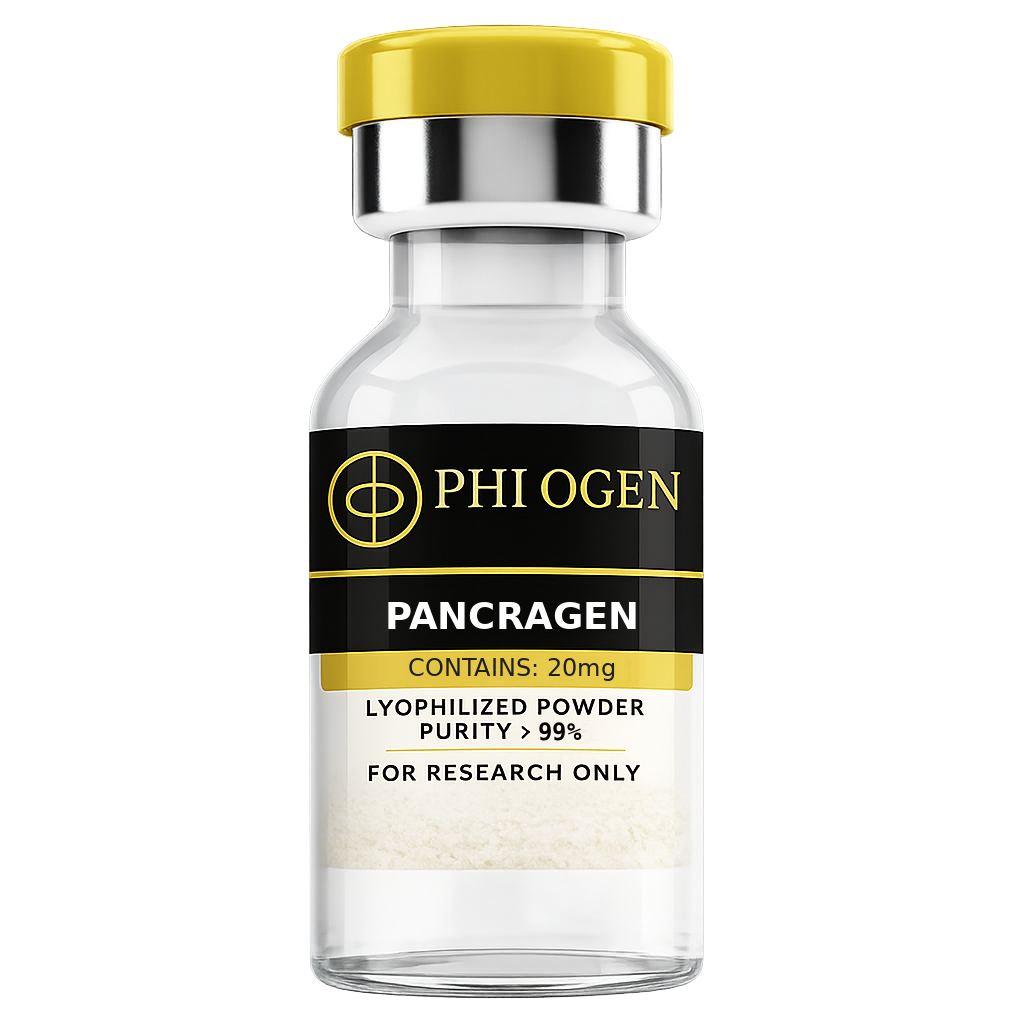
Pancragen 20mg
$71.99
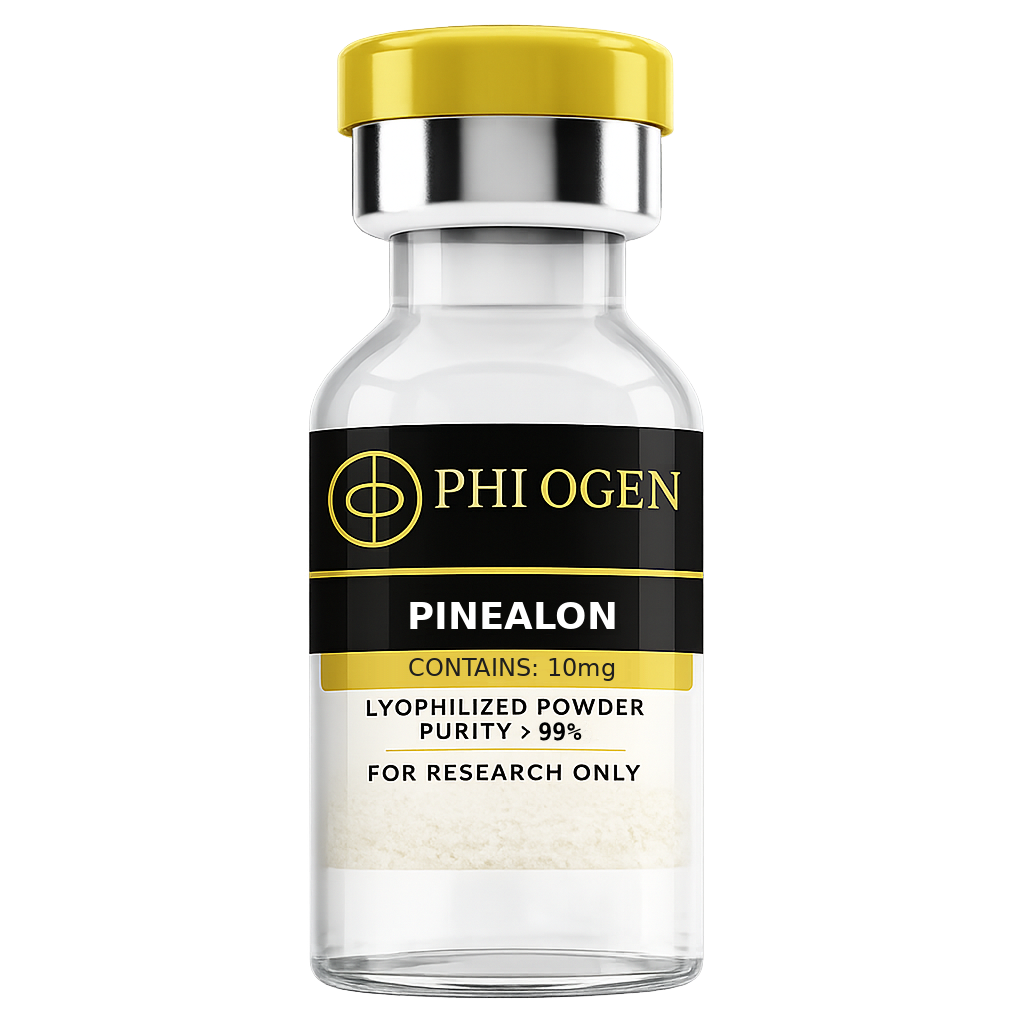
Pinealon 10mg
$62.99
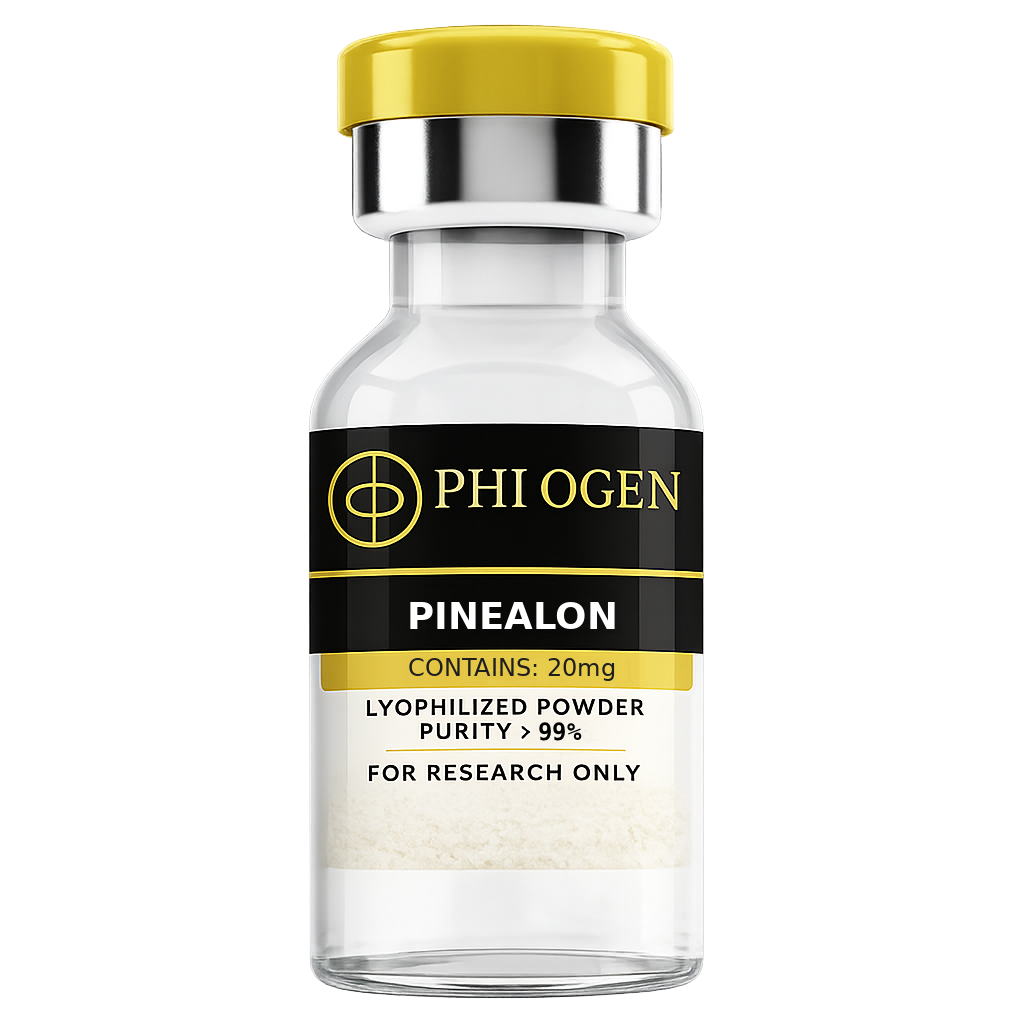
Pinealon 20mg
$107.99
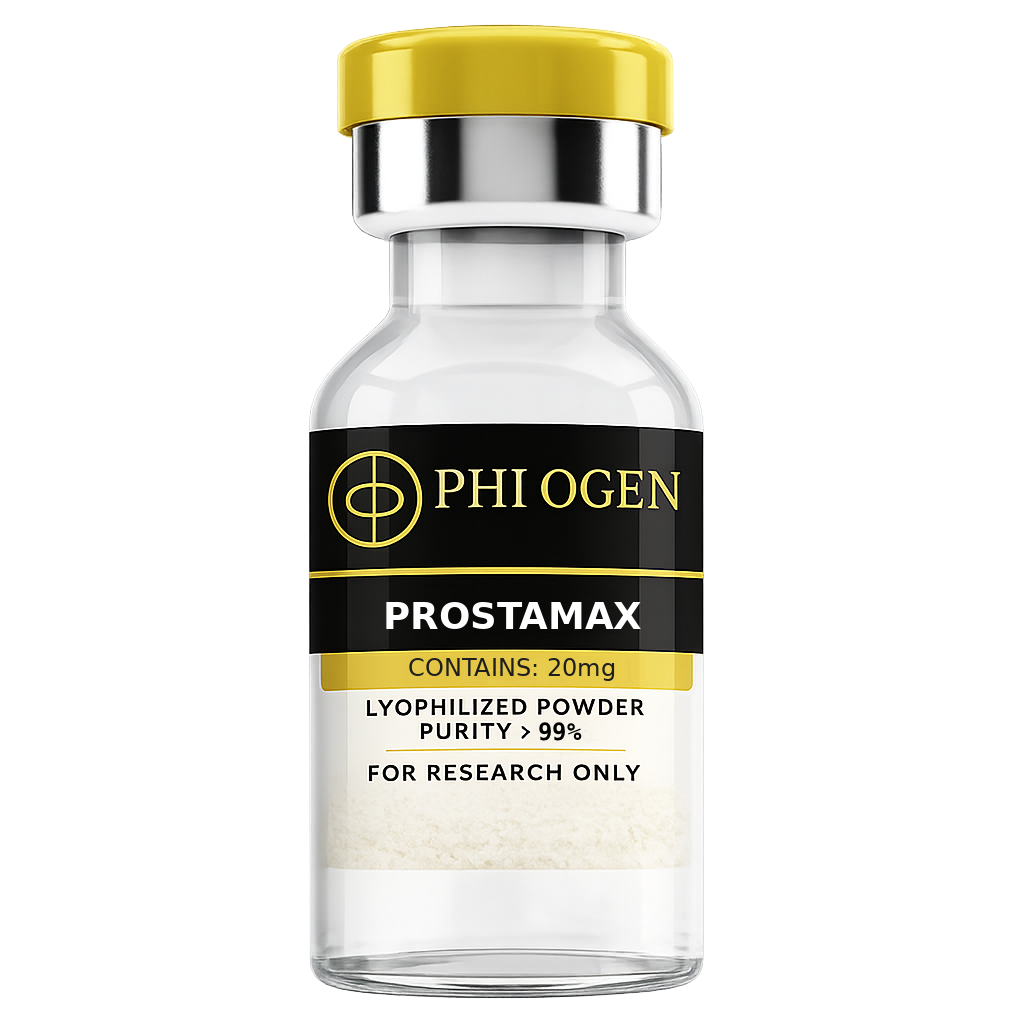
Prostamax 20mg
$71.99
SS-31 10mg
$89.99
SS-31 25mg
$170.99
SS-31 50mg
$296.99
Testagen 20mg
$80.99
Thymogen 20mg
$71.99
Thymulin 10mg
$53.99
Vesilute 20mg
$71.99
Vesugen 20mg
$71.99
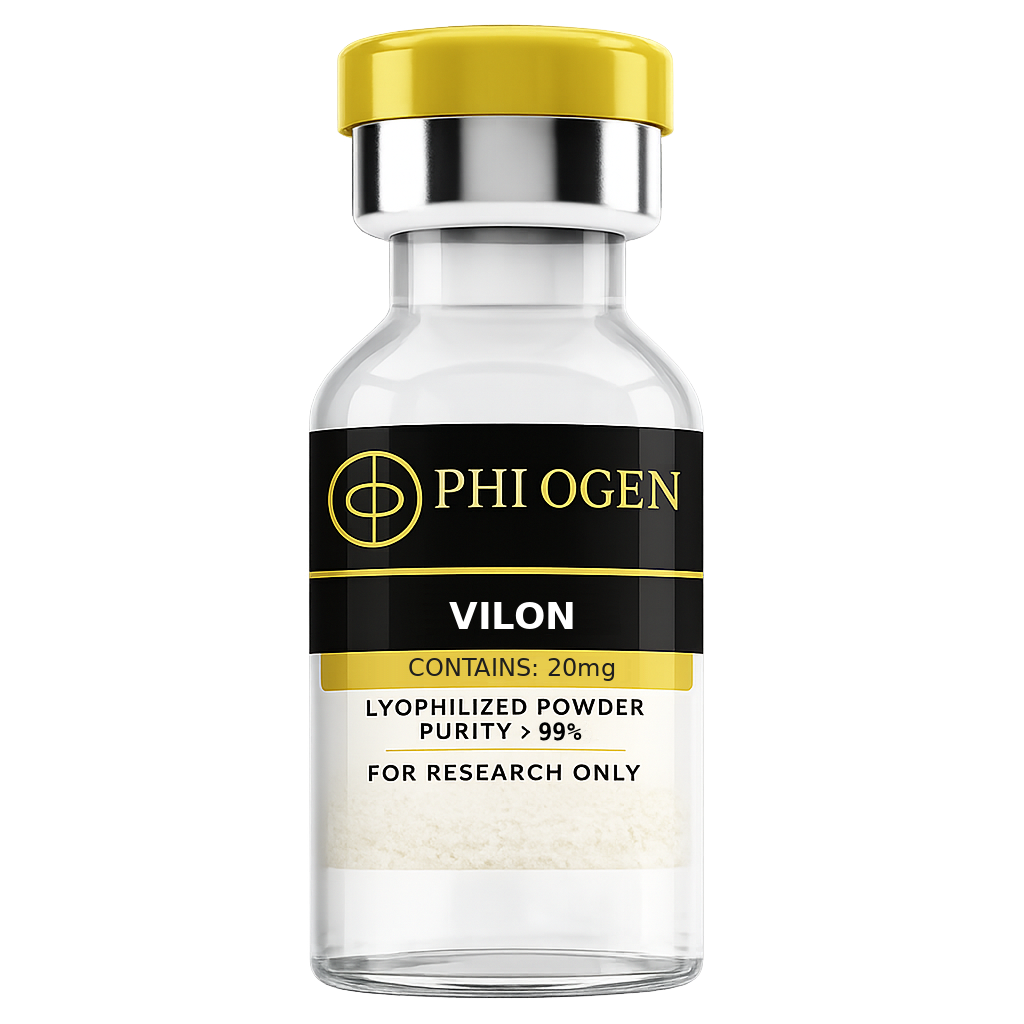
Vilon 20mg
$71.99
The Mitochondrial Group
MOTS-c is a sixteen-residue peptide encoded in mitochondrial DNA rather than nuclear DNA, which is unusual in itself. It activates AMPK, shifts substrate preference toward fatty acid oxidation, and improves insulin sensitivity in the models where it has been tested. NAD+ is stocked as the coenzyme itself in 500 mg and 1000 mg vials, which sidesteps the conversion steps that oral NMN and NR precursors depend on. SS-31 works differently again — it concentrates at the inner mitochondrial membrane and binds cardiolipin, stabilising cristae structure and reducing electron leak. The three are frequently run together because they address separate failure points in the same organelle.
What the Khavinson Series Claims
The premise behind the bioregulators is narrow and consistent: each peptide is two to four amino acids, drawn from or modelled on the regulatory peptide pool of one specific organ, and is theorised to restore that organ's protein-synthesis programme. Pinealon and Cortagen map to brain tissue, Cardiogen to heart, Livagen to liver, Prostamax to prostate, Thymogen to thymus, and so on across seventeen vials. The mechanism proposed is direct interaction with promoter regions of tissue-specific genes. The supporting work spans five decades but is heavily concentrated in Russian-language publication, and the English-language reviews Khavinson has authored are the practical entry point for anyone evaluating it.
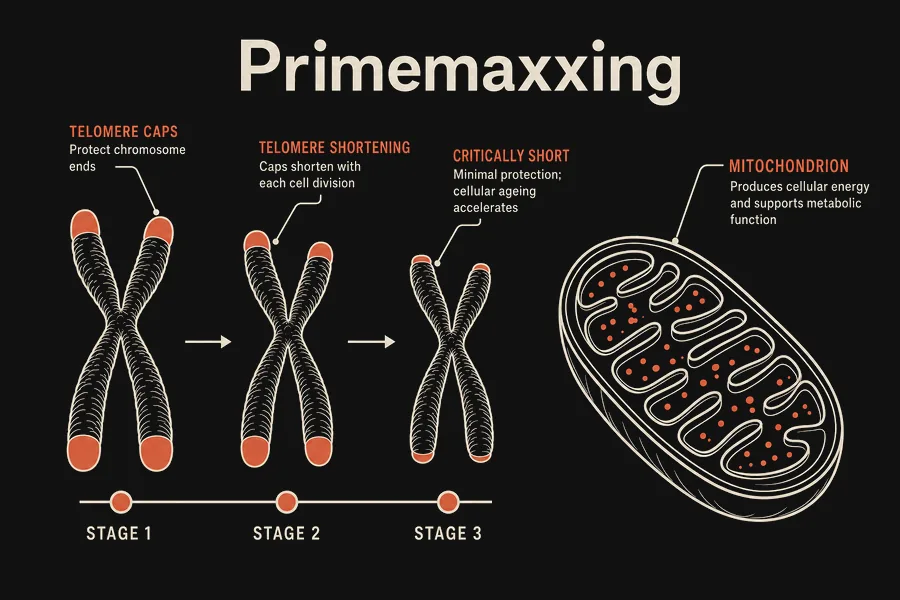
Epitalon and the Telomerase Question
Epitalon is a four-residue peptide — Ala-Glu-Asp-Gly — and it is the most studied thing on this shelf by a wide margin. The claims attached to it are pineal-melatonin restoration and telomerase upregulation, the latter supported by cell-culture work showing telomere elongation in somatic cells that had reached replicative limits. The longitudinal human data is where it gets interesting and also where it gets contested: multi-year Russian cohort studies reported mortality differences, but the methodology is not what a modern trial would look like. NA-Epitalon is an N-acetylated variant offered for stability. Both are listed below.